
Zari Thread
Zari thread is one of the most important materials used in Aari work embroidery. It is known for its shining finish and rich traditional look. This thread is commonly used in bridal blouse work, festive patterns, sleeve designs, neckline embroidery, borders, floral motifs, and heavy decorative handwork.
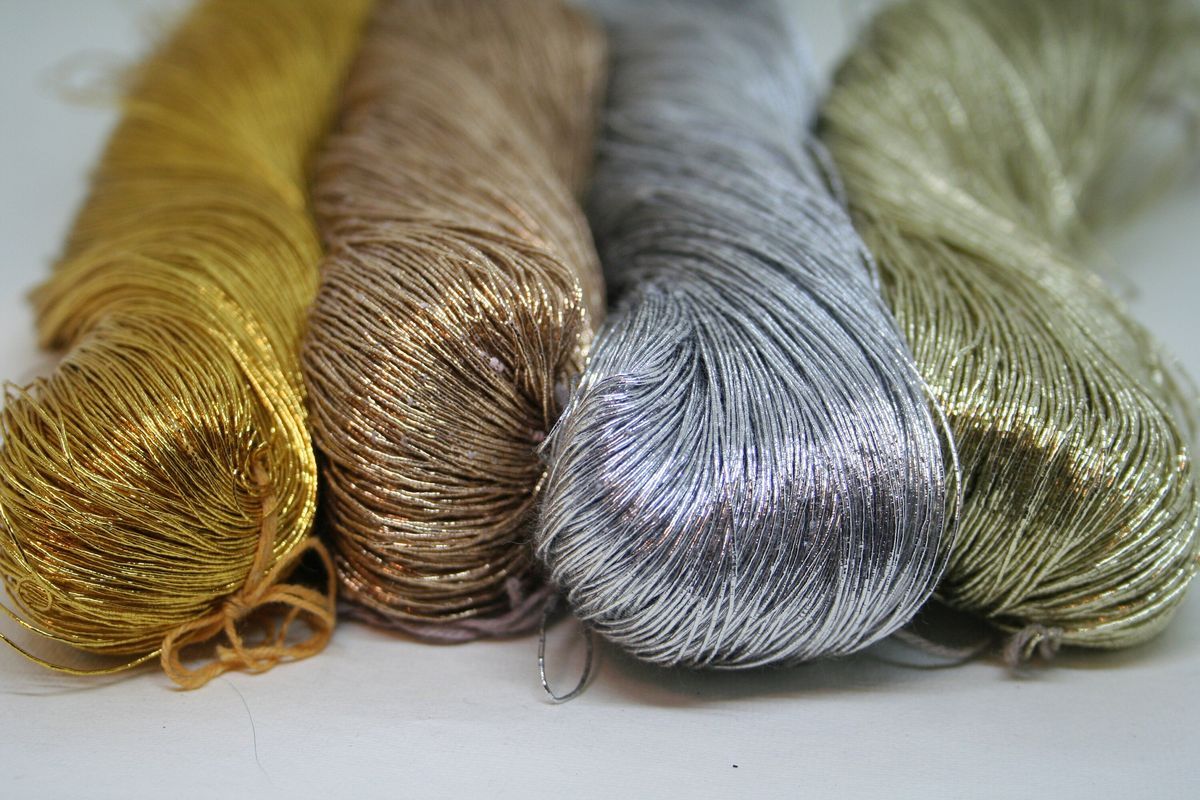
Zari thread helps make the design look brighter, more elegant, and more attractive. It is available in gold tone, silver tone, copper tone, and different decorative styles. Some Zari threads are soft and smooth for simple patterns, while some are thicker and richer for heavy embroidery work and premium blouse designs.
Why Zari Thread Is Important
Zari thread is important because it adds shine, richness, and traditional beauty to embroidery. It can change a plain design into a more attractive and decorative one. It is one of the best materials for bridal work, festive blouse designs, and premium Aari embroidery patterns.
Choosing the Right Zari Thread
Different Zari threads give different results. Gold tone Zari is used when the design needs a rich bridal look. Silver tone Zari is chosen for a clean and elegant finish. Copper tone Zari helps give a warm traditional style. Soft Zari can be useful in lighter blouse embroidery and simple patterns.
- Gold Zari is useful for rich bridal embroidery work.
- Silver Zari gives a neat and elegant bright finish.
- Copper Zari adds warm decorative traditional beauty.
- Soft Zari is suitable for simple and light embroidery work.
- The correct thread depends on design style and blouse use.
Zari Thread for Different Design Styles
Zari thread is used in neck designs, blouse sleeves, borders, floral motifs, mango patterns, peacock work, and bridal blouse embroidery. It can be used for both simple and heavy work, but the final result depends on the type, shine, and thickness of the thread selected.
Types of Zari Thread
Zari thread comes in different finishes and shades. Each type gives a different shine, richness, and embroidery result. Below are some important Zari thread types commonly used in blouse embroidery work.
Gold Zari
Gold Zari thread is one of the most popular choices in Aari work. It gives a rich golden shine and is widely used in bridal blouses, silk saree blouse embroidery, and heavy traditional designs.
Silver Zari
Silver Zari thread is useful when the embroidery needs a bright and elegant finish. It is often used in modern blouse work, light festive patterns, and stylish decorative designs.
Copper Zari
Copper Zari thread gives a warm decorative appearance. It is useful in traditional blouse designs, earthy color embroidery patterns, and rich designer work where a different metallic tone is needed.
Soft Zari
Soft Zari thread is easier to use in smooth and lighter embroidery patterns. It can be useful in simple blouse work, small floral motifs, and neat designs that do not need a very heavy finish.
How Zari Thread Helps in Embroidery
Zari thread does more than just add shine. It also improves the richness, outline clarity, and decorative beauty of the final embroidery design.
Rich Shine
Zari thread gives a bright metallic look that makes blouse embroidery look more attractive and premium.
Clear Design Lines
It helps show the shape of floral, paisley, border, and neckline patterns more clearly in the embroidery.
Traditional Beauty
Zari thread gives a classic traditional look that is very important in bridal and festive blouse work.
Designer Finish
Silver and copper tone Zari can make modern designer blouses look more clean, stylish, and detailed.
Material Matching
Zari thread works well with stones, beads, sequins, and silk thread in many Aari work combinations.
Flexible Use
It can be used in simple sleeve patterns, rich bridal blouses, border work, and even small motif embroidery.
Simple Guide to Zari Thread
The table below gives a simple idea of important Zari thread types and where they are commonly useful in embroidery work.
| Thread Type | Main Quality | Look | Best For |
|---|---|---|---|
| Gold Zari | Rich metallic shine | Traditional heavy finish | Bridal and silk blouse work |
| Silver Zari | Bright clean shine | Elegant decorative finish | Light festive and designer patterns |
| Copper Zari | Warm metallic tone | Decorative traditional richness | Designer and earthy color blouses |
| Soft Zari | Smooth texture | Neat lighter finish | Simple blouse embroidery work |
Where Zari Thread Is Useful
Zari thread is useful in many embroidery areas where the design needs more shine, decorative beauty, and traditional richness.
Bridal Blouse Work
Zari thread is very useful in bridal blouse embroidery because it helps create a grand, bright, and rich traditional finish.
Neck and Sleeve Designs
It can be used in blouse necklines and sleeves to highlight floral motifs, borders, peacock work, and paisley patterns.
Festive and Party Wear Blouses
Zari thread adds extra beauty to festive blouse designs and makes even simple embroidery look more elegant and decorative.
Saree Border and Motif Work
It is also useful in saree borders, motif outlines, and patch designs where a clean metallic finishing is needed.
How to Choose the Right Zari Thread
To choose the right Zari thread, first check the blouse design, fabric color, and final embroidery look needed. If the blouse is for a wedding or rich silk saree style, gold tone Zari may be the best option. If the design needs a cleaner bright finish, silver tone Zari may work better. Copper tone Zari is useful when the design needs a warmer decorative effect.
The correct thread should match the fabric, the embroidery pattern, and the overall design purpose.
Why Zari Thread Selection Matters
In Aari work, thread selection changes the final beauty of the design. Even when the same pattern is stitched, the result can look completely different depending on the type of Zari used. The right Zari thread can improve shine, highlight details, and make the blouse design look more premium and well-finished.
Good Zari thread selection helps improve the richness, clarity, decorative finish, and overall value of embroidery work.
Frequently Asked Questions About Zari Thread
These common questions can help users understand Zari thread and how it is used in Aari work embroidery.
What is Zari thread used for?
Is Zari thread good for bridal blouse work?
What is the difference between gold and silver Zari?
Can Zari thread be used in simple blouse designs?
Why is Zari thread important in Aari work?
Learn More Aari Work Materials
Zari thread is one of the most useful embroidery materials because it adds shine, elegance, and traditional beauty to blouse designs. Learning the right type of Zari thread can help create better bridal work, festive embroidery, and premium blouse finishing.
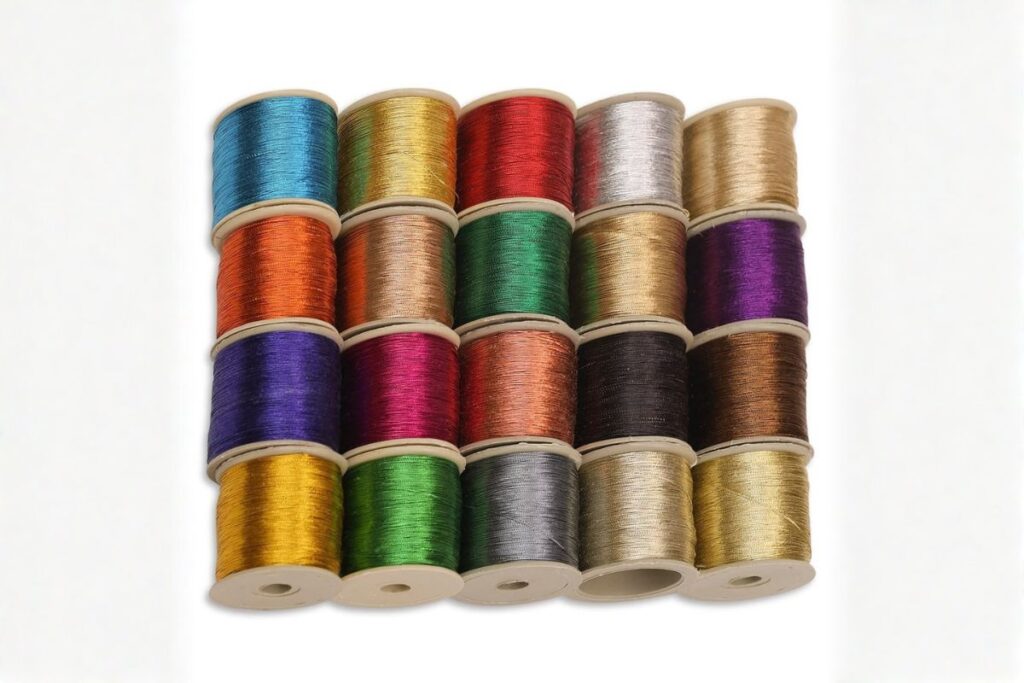
Zari thread is one of the most important materials in traditional embroidery and textile design. It gives a rich, shiny finish that makes any fabric look elegant and festive. From bridal sarees to Aari work blouses, zari plays a major role in creating detailed and eye-catching designs. If you are working in embroidery or planning to start, understanding zari thread properly will help you get better results.
What is Zari Thread?
Zari thread is a special type of thread made using fine metallic yarn. It is usually created by wrapping metallic material like gold, silver, or copper over a base thread such as silk or cotton. Today, many zari threads are made using synthetic materials to reduce cost while still maintaining shine and durability.
It is mainly used in Indian traditional designs and is very popular in Aari work, Zardosi work, and machine embroidery.
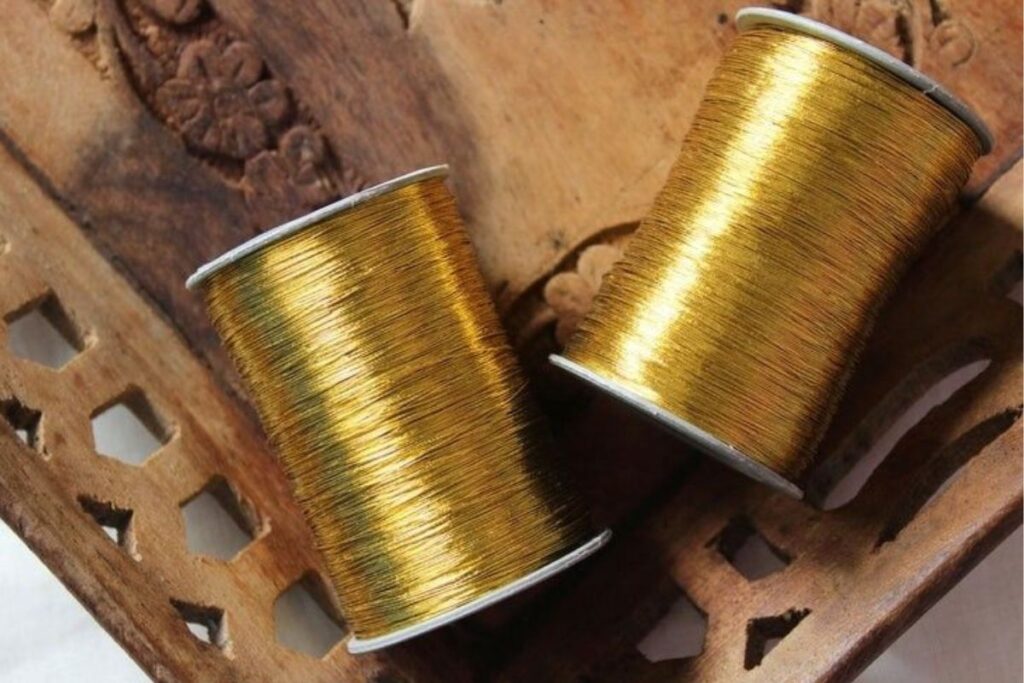
Zari Thread Colours
Zari thread comes in many beautiful colours. The colour you choose depends on the fabric, design, and occasion.
Gold Zari – The most commonly used colour. It gives a royal and traditional look. Perfect for weddings and festive wear.
Silver Zari – Offers a subtle and elegant finish. Suitable for modern and light-coloured outfits.
Antique Gold – A slightly dull gold shade used for vintage-style designs.
Copper Zari – Gives a warm tone and works well with earthy colours.
Rose Gold – A trending shade used in modern blouse designs and designer outfits.
Multi-colour Zari – Some zari threads come with mixed shades, giving a unique effect.
Choosing the right colour helps highlight the embroidery and enhances the overall look of the blouse or saree.
Sizes of Zari Thread
Zari thread is available in different thickness levels. The size you choose depends on the type of work and design detail.
Fine Zari (Thin)
Used for detailed and intricate designs. Perfect for small patterns and delicate Aari work.
Medium Zari
The most commonly used size. It is suitable for general embroidery work and gives a balanced finish.
Thick Zari
Used for bold designs and highlighting borders. It gives a raised and heavy look.
Twisted Zari
This type has a twisted texture, giving extra shine and strength. Used for decorative designs.
Using the correct size helps maintain neatness and improves the final appearance of the embroidery.
Variations of Zari Thread
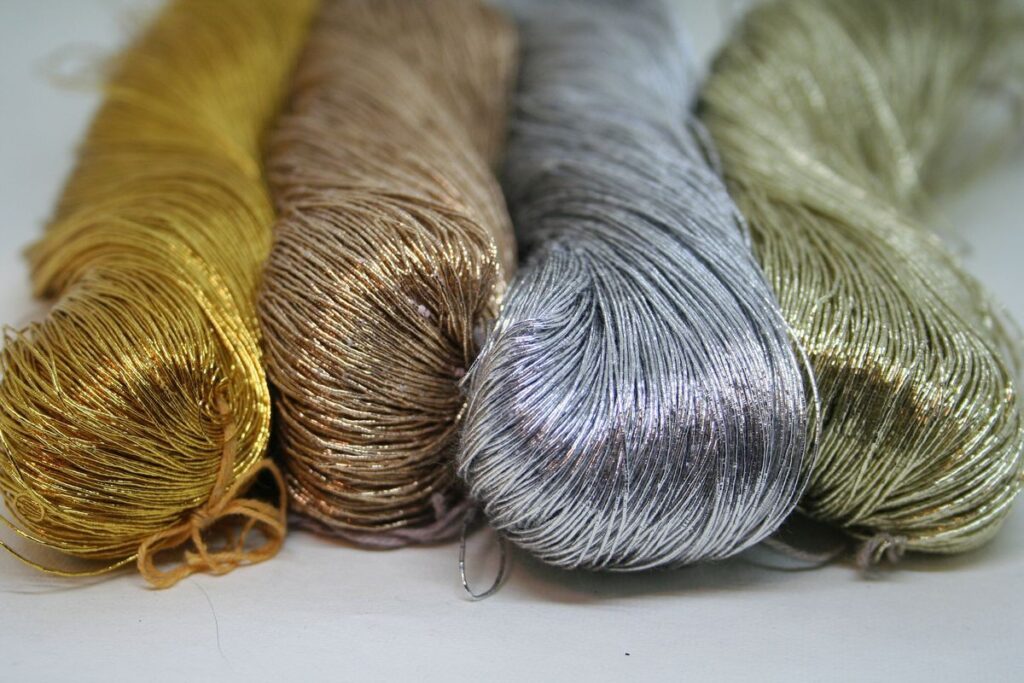
There are different types of zari thread available based on material and finish.
Real Zari
Made with pure gold or silver coating. It is expensive and mostly used in high-end silk sarees.
Imitation Zari
Made using synthetic materials with metallic finish. It is affordable and widely used in blouse work.
Tested Zari
A combination of silver and other metals. It gives a good balance between quality and cost.
Resham Zari Mix
A mix of silk thread and zari. It gives both softness and shine.
Matte Zari
Has less shine and gives a soft, elegant look.
Glossy Zari
Highly shiny and perfect for grand designs.
Each variation is used based on the design style, budget, and durability needed.
Usage of Zari Thread
Zari thread is widely used in different types of textile and embroidery work.
Aari Work Blouses
Used to create floral, peacock, and bridal designs with rich detailing.
Sarees
Zari is used in borders, pallu, and all-over designs to enhance beauty.
Lehengas and Bridal Wear
Heavy zari work is used for grand wedding outfits.
Dupattas
Adds shine and elegance to simple fabrics.
Zardosi Work
Combined with beads and stones to create heavy embroidery.
Home Decor Items
Used in cushion covers, wall hangings, and decorative fabrics.
Zari thread is preferred because it adds richness and makes any design stand out.
Steps to Use Zari Thread in Aari Work
Working with zari thread needs some care and proper technique. Follow these simple steps:
Step 1: Choose the Right Fabric
Select a fabric that can hold the weight of zari work, like silk, velvet, or cotton silk.
Step 2: Select Suitable Zari Thread
Pick the correct colour and thickness based on your design.
Step 3: Prepare the Design
Draw or trace the design on the fabric using chalk or carbon paper.
Step 4: Fix the Fabric on Frame
Stretch the fabric tightly on an Aari frame to avoid wrinkles.
Step 5: Use Proper Needle (Aari Hook)
Choose the correct size hook for smooth stitching.
Step 6: Start Stitching Carefully
Begin with small sections and maintain even tension while stitching.
Step 7: Avoid Thread Breakage
Handle the thread gently as zari can break if pulled too hard.
Step 8: Finish Neatly
Secure the thread properly at the end to avoid loosening.
Following these steps helps in achieving clean and professional embroidery work.
Tips for Better Results
- Always store zari thread in a dry place to avoid damage.
Do not mix too many zari colours in one design. - Practice with imitation zari before using expensive ones.
- Use good lighting while working to see details clearly.
- Combine zari with beads or stones for a richer look.
- Zari thread is a beautiful and essential material in embroidery. With the right knowledge of colours, sizes, variations, and usage, you can create stunning designs that look professional and attractive.