

Interfacing
Interfacing, also called buckram in some blouse and tailoring work, is an important support material used to give stiffness and better structure. It helps the blouse or fabric area hold shape more firmly and makes certain design sections look more steady and clean. In many blouse designs, especially around neck, sleeves, borders, and support areas, interfacing can make a big difference in finishing.
This material is useful when the fabric needs more body and firmness. Instead of leaving the fabric soft and loose, interfacing helps create better support. In blouse work, it can be used where stiffness is needed so the final garment looks more proper, more structured, and more professionally finished.
Why Interfacing Is Important in Blouse Work
Interfacing is important because it helps the fabric become firmer and more supportive. In blouse work, some areas need more stiffness so they can look neat and hold shape properly. Without support, certain design parts may look too soft or loose. Interfacing helps create a more finished and structured result.
Interfacing and Buckram Use
Interfacing or buckram is usually used where the blouse needs more support. It can be applied in areas that should not remain too soft, such as neckline sections, border areas, or design parts that need shape. This support helps the blouse look more neat and steady after stitching work is done.
- Used where more stiffness is needed.
- Useful for shape support in blouse work.
- Helps improve structure and finishing.
- Can support neck and border areas.
- Useful in proper garment construction.
Why Firmness Matters
Some blouse parts need firmness to maintain their design shape. If those parts remain too soft, the blouse may not look properly finished. Interfacing helps solve that by giving controlled stiffness, so the blouse feels stronger and looks more polished in shape and support.
- Helps fabric stay more firm.
- Improves design support in key areas.
- Useful for a more clean stitched finish.
- Helps blouse parts hold shape better.
- Supports neat tailoring results.
How Interfacing Helps in Blouse Making
Interfacing is not mainly decorative, but it is very useful for support and structure. It helps the blouse look better and hold shape more properly after stitching and finishing work.
Gives Stiffness
The main use of interfacing is to give stiffness where the blouse or fabric area needs more firmness and support.
Better Shape Support
It helps blouse sections such as neck or support areas hold shape better after stitching and finishing work.
Support Layer
Interfacing works like a support layer that helps make the garment feel more structured and properly built.
Cleaner Construction
It helps in achieving cleaner construction by reducing softness in areas that need more neat finishing.
Used in Blouse Support Areas
Buckram or interfacing is often useful in blouse support areas where extra firmness is needed.
Professional Finish
Good interfacing support can help the final blouse look more professional and more neatly finished.
Simple Guide to Interfacing
The table below gives a simple understanding of interfacing and how it is useful in blouse work.
| Material | Main Quality | Use | Best For |
|---|---|---|---|
| Interfacing | Support material | Gives stiffness | Better blouse shape |
| Buckram | Firm support layer | Structure improvement | Neck and support areas |
| Stiffness Cloth | Firm body support | Shape holding | Proper tailoring finish |
Where Interfacing Is Useful
Interfacing is useful in many blouse-making situations where the fabric needs more firmness, structure, and support for a better finished look.
Neckline Support
Interfacing is useful in neckline areas where the blouse needs a more steady and properly shaped finish.
Border and Design Support
It can be useful in border or support areas where the design should not remain too soft after stitching.
Blouse Shape Holding
Buckram helps the blouse hold shape better, especially in areas where extra firmness is needed.
Neat Tailoring Finish
Interfacing is useful when the tailoring work needs a more neat, proper, and finished garment structure.
How to Choose the Right Interfacing
To choose the right interfacing, first check which blouse area needs more firmness. If the fabric should stay more structured and steady, buckram or interfacing can be useful. The material should support the fabric properly without making the blouse feel too hard or uncomfortable.
The blouse design, fabric type, and required level of stiffness should all be considered before selecting the support material.
Why Interfacing Matters
In blouse making, interfacing matters because it improves shape and structure. Even if the blouse looks good from outside, it may not hold its form well without proper support. This is why interfacing is an important part of good tailoring and blouse finishing.
Good interfacing helps improve stiffness, support, structure, and overall blouse quality.
Frequently Asked Questions About Interfacing
These common questions can help users understand interfacing and how it is used in blouse work.
What is interfacing used for in blouse making?
What is buckram in tailoring work?
Why is interfacing important in blouse support areas?
Does interfacing help fabric become more firm?
Can interfacing improve blouse finishing?
Learn More Aari Work Materials
Interfacing is an important support material in blouse making because it adds stiffness, structure, and better finishing to the design. Learning the right interfacing use can help create better blouse work and more proper tailoring results.
Interfacing is one of those small things in tailoring that makes a big difference in the final look of any garment. Whether you are designing an Aari work blouse, a formal shirt, or even a simple kurti, interfacing helps give proper shape, support, and neat finishing. Many beginners ignore it, but once you start using interfacing correctly, your stitching quality will improve a lot.
What is Interfacing?
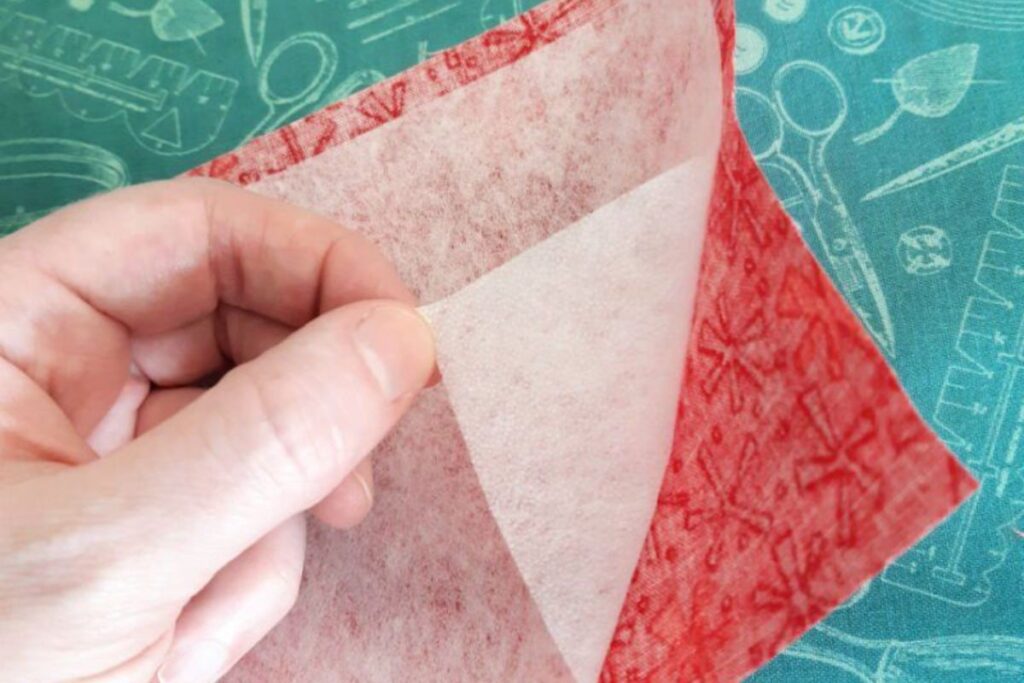
Interfacing is an extra layer of fabric that is attached to the main cloth to give strength and structure. It is usually fixed on areas like the neckline, collars, sleeves, waistbands, and button areas.
It helps the fabric stay firm instead of becoming loose or wrinkled.
Types of Interfacing
There are mainly three types of interfacing used in tailoring:
1. Fusible Interfacing (Iron Stick)
This is the most commonly used type
It has glue on one side
It sticks to fabric when heat is applied using an iron
Easy to use and saves time
2. Non-Fusible Interfacing (Sew-In)
Does not have glue
Needs to be stitched along with the fabric
Used for delicate fabrics where heat cannot be applied
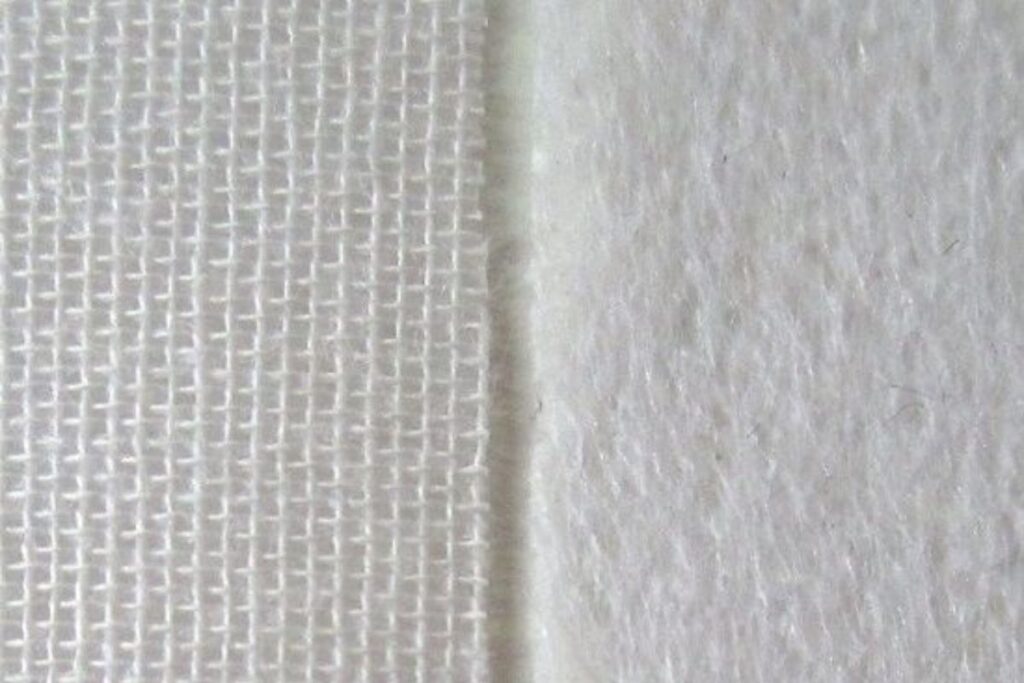
3. Woven and Non-Woven Interfacing
Woven interfacing feels like fabric and is strong
Non-woven interfacing feels like paper and is easier to cut
Sizes and Thickness Variations
Interfacing is available in different thickness levels. You should choose based on your fabric type and design.
Lightweight Interfacing
Used for soft fabrics like chiffon, georgette
Gives light support
Medium Weight Interfacing
Suitable for cotton, silk, and regular blouse fabrics
Most commonly used
Heavyweight Interfacing
Used for collars, waistbands, bridal blouses
Gives strong stiffness and shape
Interfacing also comes in rolls or sheets, and you can cut it according to your pattern.
Step-by-Step Process to Use Fusible Interfacing
Follow these simple steps to apply interfacing properly:
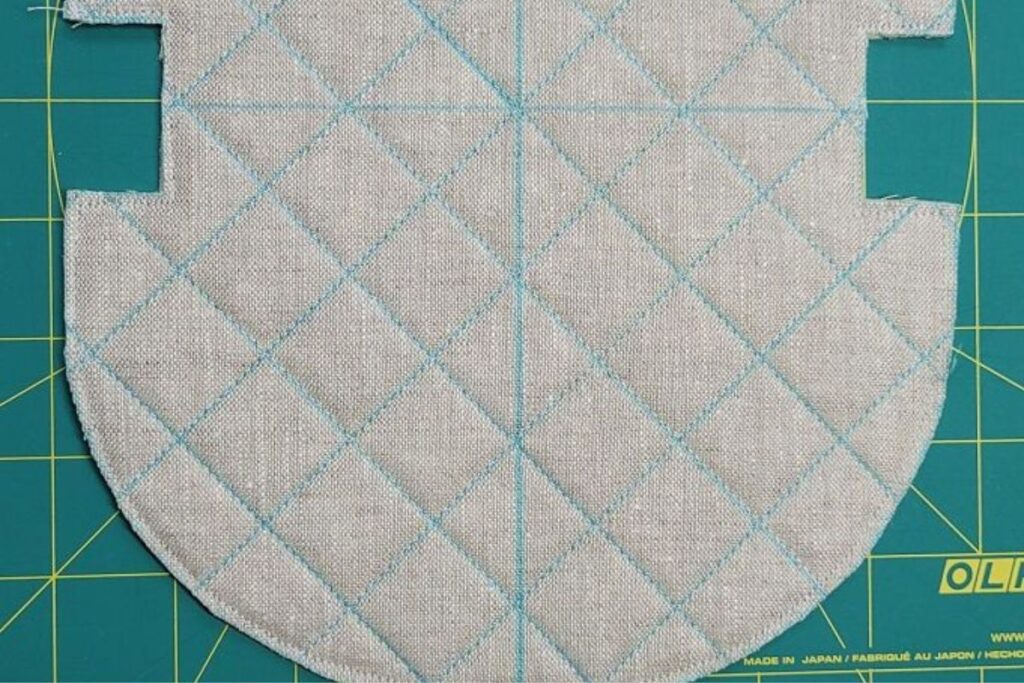
Step 1: Cut the Interfacing
Cut interfacing according to your fabric pattern
Make sure the size matches exactly
Step 2: Place the Interfacing
Keep the glue side facing the wrong side of the fabric
Step 3: Set the Iron Temperature
Use medium heat (not too high)
Avoid steam for better sticking
Step 4: Press the Iron
Place the iron and press gently
Do not move the iron too much
Hold for a few seconds
Step 5: Let it Cool
Allow the fabric to cool down
This helps the glue set properly
Step-by-Step Process for Sew-In Interfacing
Step 1: Cut the Interfacing
Cut same size as fabric piece
Step 2: Place on Fabric
Align it on the wrong side
Step 3: Stitch Together
Use simple stitch to fix it
Step 4: Continue Garment Stitching
Treat it as one layer while stitching
Interfacing in Aari Work Blouses
In Aari work designs, interfacing plays a very important role. Since the embroidery is heavy, the fabric needs extra support.
Where Interfacing is Used
Interfacing is used in many parts of garments to improve shape and finishing:
- Necklines (especially deep or designer necks)
- Blouse front and back openings
- Sleeves (for puff or structured look)
- Collars and cuffs
- Waistbands
- Button and hook areas
- Aari work areas for strong embroidery support
In Aari work blouses, interfacing is very important because it holds the heavy design and prevents fabric damage.
How to Choose the Right Interfacing
Choosing the correct interfacing depends on your fabric and design.
- For soft fabrics → use lightweight interfacing
- For normal blouses → use medium weight
- For heavy embroidery → use thick interfacing
- Always match the colour with your fabric
- Test on a small piece before using on full cloth
Common Mistakes to Avoid
- Using very thick interfacing on soft fabric
- Choosing wrong colour that shows outside
- Applying too much heat and damaging fabric
- Not testing before final use
- Cutting interfacing bigger or smaller than pattern
Benefits of Using Interfacing
Using interfacing gives many advantages:
- Maintains proper shape of the garment
- Adds strength to weak or thin fabric
- Helps in clean stitching and finishing
- Prevents fabric from stretching or sagging
- Makes embroidery work more stable
- Improves overall professional look
Tips for Better Results
- Always test interfacing on a small fabric piece
- Use pressing cloth for delicate fabrics
- Store interfacing in dry place
- Cut neatly for clean finishing
- Use good quality interfacing for long-lasting results