

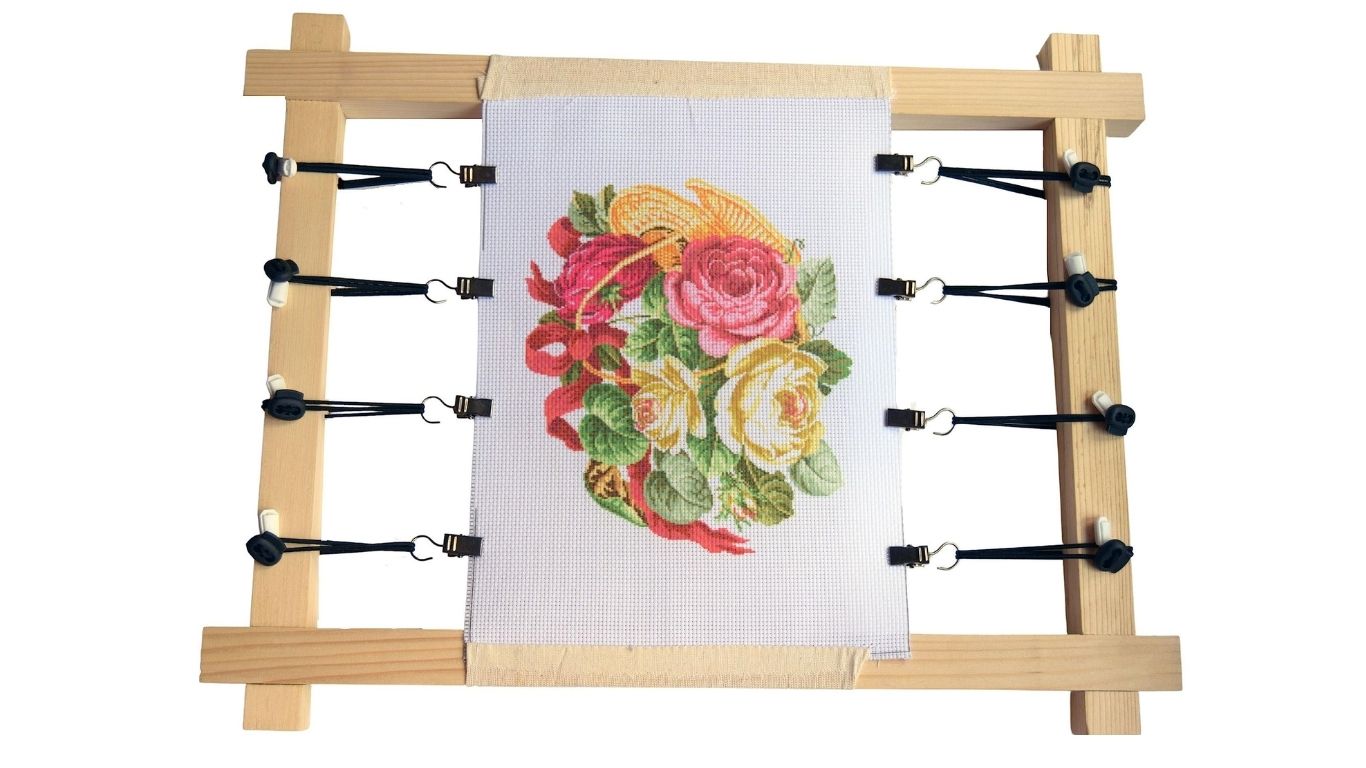
Fabric stretching clips are simple but very useful tools, especially if you work with embroidery, Aari work, tailoring, or any kind of fabric crafting. They help hold the fabric tightly in place so you can work neatly without wrinkles or movement. Whether you are a beginner or an experienced designer, these clips can make your work faster, cleaner, and more professional.
What Are Fabric Stretching Clips?
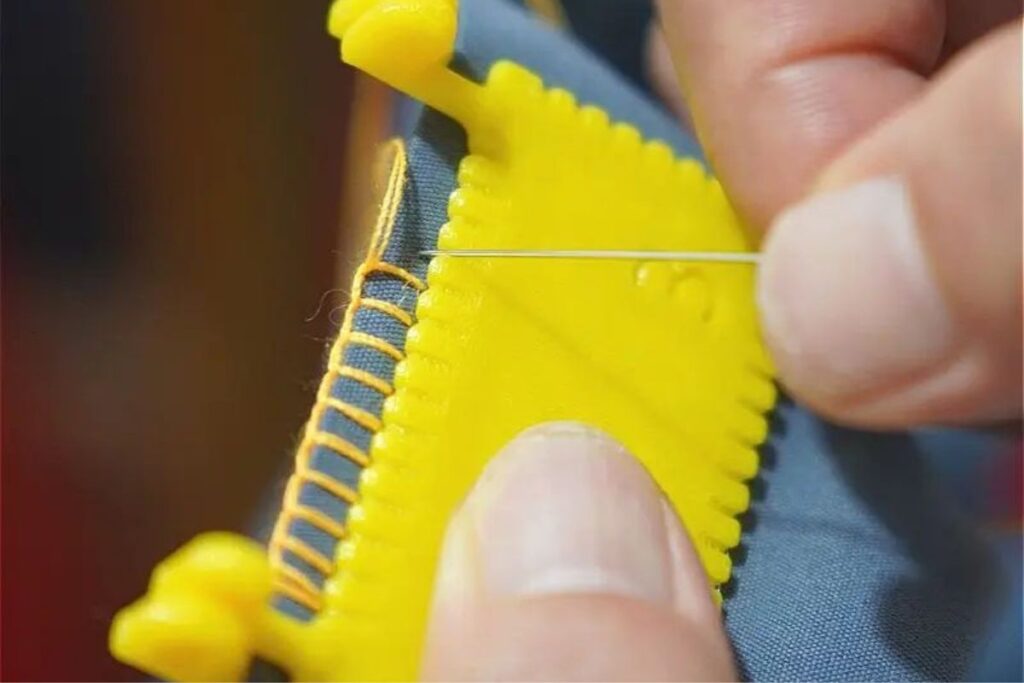
Fabric stretching clips are small tools used to hold fabric tightly on a frame. Instead of using nails, pins, or tying with thread, these clips grip the cloth firmly and keep it stretched evenly. They are commonly used in Aari work frames, embroidery frames, and even in some tailoring setups.
They are usually made from plastic or metal, and they come with strong grip teeth or smooth edges depending on the type of fabric you use.
Colour Variations
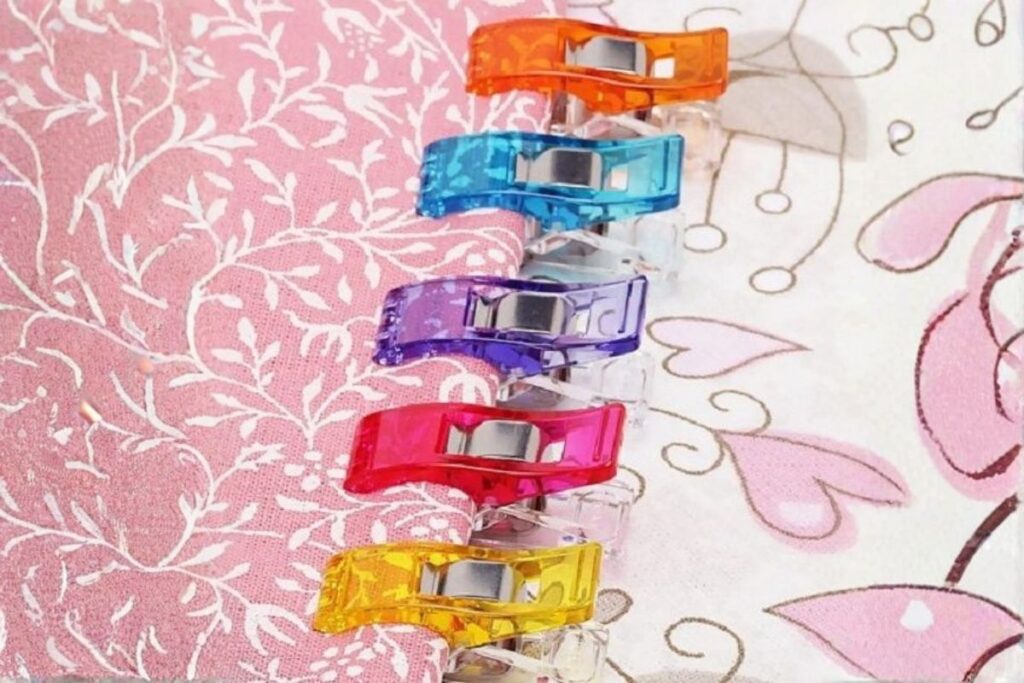
Fabric stretching clips are available in many colours. While colour does not affect the performance, it helps in organizing and identifying clips easily during work.
Some common colours include:
- Black – Most common and professional look
- Red – Easy to spot, especially on light fabrics
- Blue – Popular in plastic clip models
- Yellow – Bright and visible while working
- Green – Less common but still available
- Mixed colours – Some sets come in multiple colours
Choosing colour is mostly personal preference. Many designers prefer bright colours so they can quickly find clips while working on large frames.
Size Variations
Fabric stretching clips come in different sizes to suit different fabric thicknesses and frame types.
Small Size Clips
- Suitable for thin fabrics like cotton, chiffon, or silk
- Easy to handle and lightweight
- Good for small embroidery frames
Medium Size Clips
- Most commonly used size
- Works well with medium-thickness fabrics like semi-silk or blended materials
- Ideal for regular Aari work
Large Size Clips
- Best for thick fabrics like velvet, denim, or heavy silk
- Provides stronger grip
- Used for large frames and heavy work
Choosing the right size is important. If the clip is too small, it may not hold properly. If it is too big, it may damage delicate fabric.
Materials Used
Fabric stretching clips are usually made from:
- Plastic – Lightweight, affordable, and easy to use
- Metal – Strong and long-lasting, but slightly heavier
- Rubber-coated clips – Provide extra grip and prevent slipping
Each material has its own advantage. Plastic clips are commonly used for everyday work, while metal clips are preferred for heavy-duty usage.
Uses of Fabric Stretching Clips
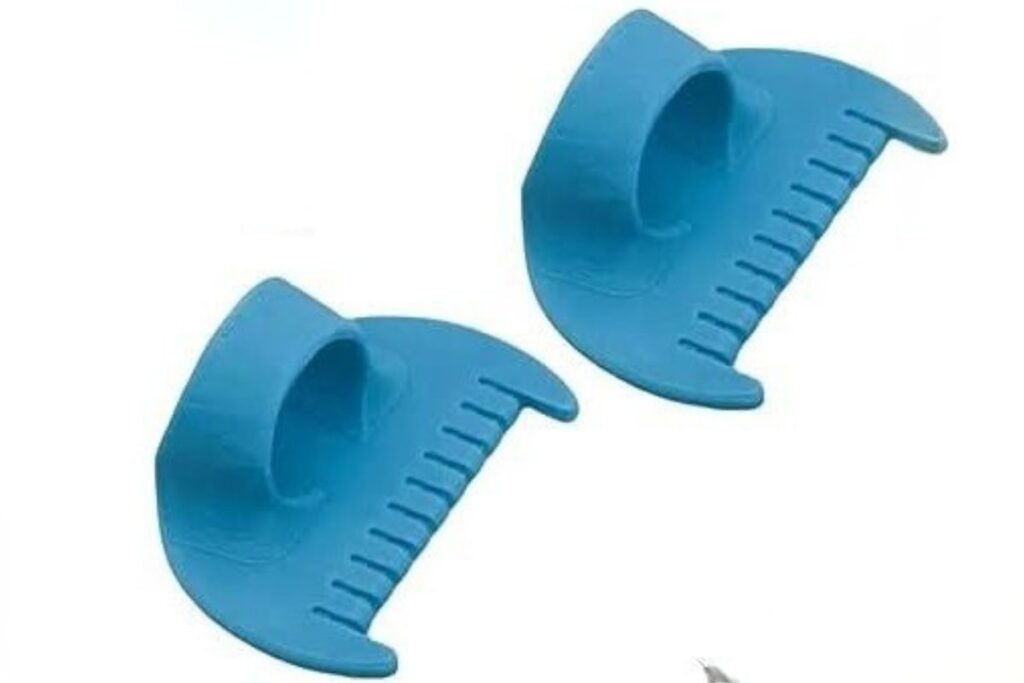
Fabric stretching clips are widely used in different types of work:
Aari Work
These clips are very important in Aari embroidery. They keep the fabric tight on the wooden frame, which helps in neat stitching and detailed designs.
Embroidery Work
For hand embroidery, clips help maintain even tension, making designs look clean and professional.
Tailoring
Tailors use these clips to hold fabric layers together before stitching, especially when working on large pieces.
Quilting
In quilting, clips are used to hold multiple layers of fabric in place without using pins.
Craft Work
These clips are also helpful in DIY fabric crafts, decorations, and fabric-based art projects.
How to Use Fabric Stretching Clips – Step by Step
Using fabric stretching clips is very simple. Follow these steps:
Step 1: Prepare the Frame
Place your fabric frame on a stable surface. Make sure it is clean and ready for use.
Step 2: Place the Fabric
Lay the fabric over the frame evenly. Ensure there are no folds or wrinkles.
Step 3: Start Clipping One Side
Attach clips to one side of the fabric first. Keep equal distance between each clip.
Step 4: Pull and Stretch
Gently pull the fabric from the opposite side to make it tight.
Step 5: Attach Clips on Opposite Side
Fix clips on the opposite side while maintaining tension.
Step 6: Secure All Sides
Repeat the process for all sides until the fabric is fully stretched.
Step 7: Adjust if Needed
Check the fabric surface. If it is loose anywhere, adjust the clips to make it tighter.
Why Fabric Stretching Clips Are Important
Without proper fabric tension, embroidery and stitching work can look uneven and messy. Fabric stretching clips solve this problem easily. They give a smooth working surface, which helps in creating neat and detailed designs.
For professionals, these clips improve speed and quality. For beginners, they make the work easier and more comfortable.
Maintenance and Care
Taking care of your fabric stretching clips will increase their life:
- Wipe them after use to remove dust or threads
- Keep them dry to avoid rust (for metal clips)
- Do not drop or bend them
- Store them in a dry place
- Replace broken clips immediately
Common Mistakes to Avoid
- Using very tight clips on thin fabric
- Placing clips too far apart
- Not stretching fabric evenly
- Using damaged or weak clips
- Ignoring fabric type while choosing clips
Avoiding these mistakes will help improve your overall work quality.
Tips for Better Usage
- Always use the correct size clips for your fabric
- Do not overstretch delicate fabrics
- Keep equal spacing between clips
- Check tightness before starting work
- Clean clips regularly to avoid stains on fabric
- Store clips in a box to avoid losing them
Benefits of Using Fabric Stretching Clips
Using clips instead of traditional methods has many advantages:
- Saves time compared to tying fabric manually
- Provides even tension across the fabric
- Easy to attach and remove
- Reduces wrinkles and fabric movement
- Reusable and long-lasting
- Safer than using pins or needles
These benefits make them a must-have tool for anyone working with fabric.
Fabric stretching clips may look like a small tool, but they play a big role in fabric work. With the right size, proper usage, and good care, they can make a big difference in your final design quality
La qualité de service proposée par montecryptocasino.net en fait une option privilégiée pour de nombreux utilisateurs francophones. Le délai moyen de réponse en chat est inférieur à deux minutes en heure de pointe. Les nouveautés sont mises en avant chaque semaine afin que les joueurs ne ratent rien des tendances. Le mode sombre reposant pour les yeux convient particulièrement aux sessions prolongées. Les outils analytiques disponibles dans le compte aident à mesurer la performance globale. Les sessions sont conservées même en cas de changement de réseau pour éviter toute interruption. Le club VIP propose un accompagnement personnalisé et des avantages exclusifs pour les habitués. L’authentification à deux facteurs renforce la sécurité des comptes utilisateurs. Les tables de blackjack live respectent strictement les règles internationales reconnues. Les options de retrait express permettent aux joueurs pressés de récupérer leurs gains en un temps record. Les tickets envoyés par e-mail reçoivent une réponse circonstanciée dans des délais courts. Les titres exclusifs disponibles uniquement sur la plateforme ajoutent une vraie valeur à l’offre. L’interface privilégie la clarté avec une organisation lisible et des menus accessibles. Les guides stratégiques mis à disposition aident les joueurs à optimiser leurs sessions. L’expérience nomade est aussi complète que la version bureau, sans aucune fonctionnalité retirée. Le programme de fidélité récompense la régularité avec des points convertibles en avantages concrets. La plateforme publie régulièrement des rapports de transparence sur les taux de redistribution de ses jeux. Les game shows en direct comme les jeux de roue géante créent une atmosphère unique. La constance dans la qualité est probablement le meilleur compliment que l’on puisse faire à cette plateforme. Cette plateforme a réussi le pari de rendre le casino en ligne accessible, agréable et sûr pour tous.
Frequently Asked Questions
Fabric stretching clips are useful tools for Aari work, embroidery, blouse stitching, and fabric framing. They help keep the fabric tight and smooth while doing detailed hand embroidery and bead work designs.