THREADS
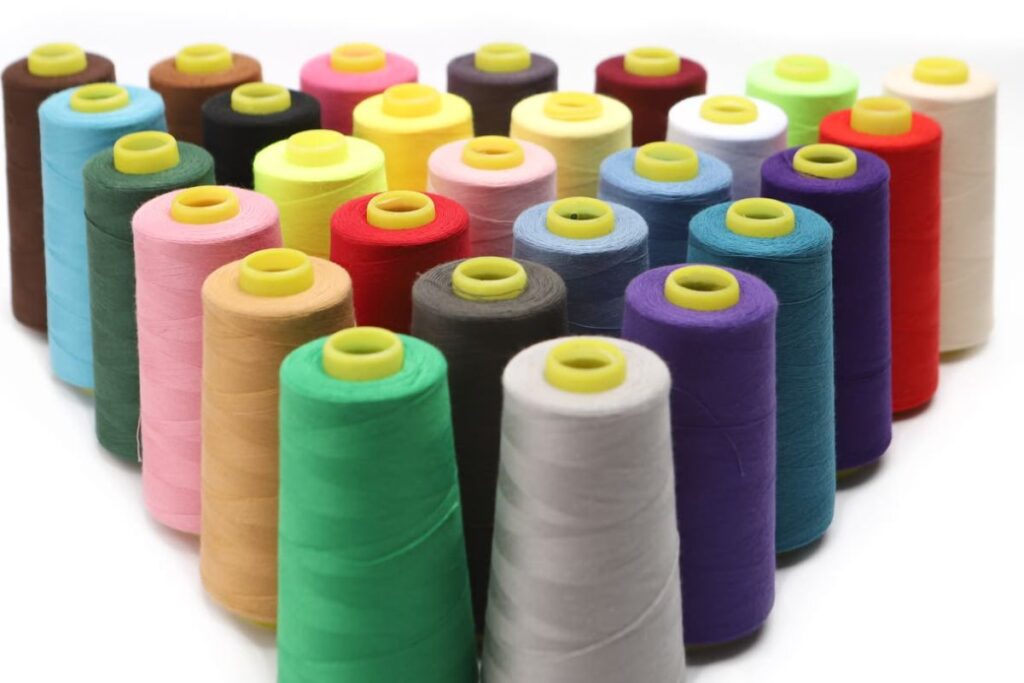
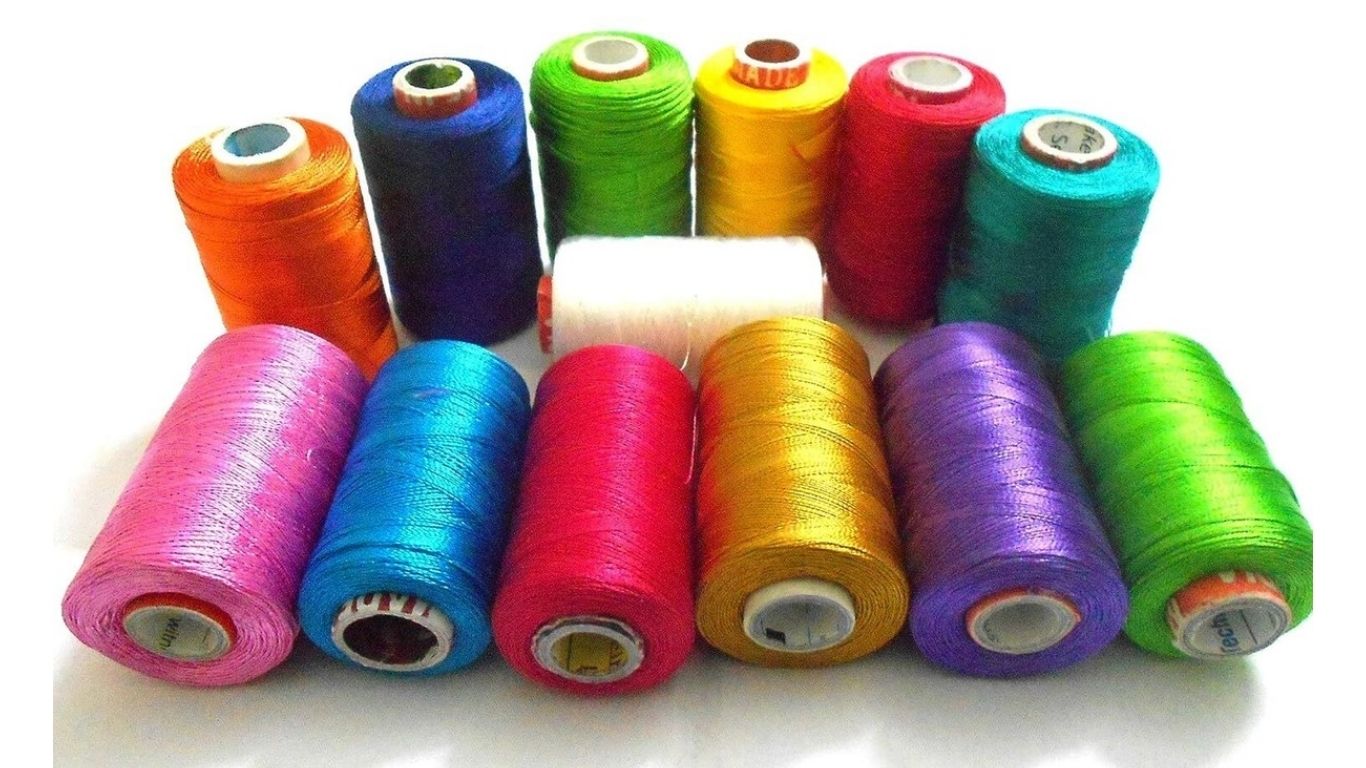
Threads are one of the most important materials in Aari work. The type of thread used in embroidery can change the look, feel, strength, finish, and beauty of the final design. Different threads are chosen based on the design style, fabric type, work detail, and the look required for simple blouses, heavy bridal work, floral designs, borders, sleeves, and premium embroidery patterns.
In Aari embroidery, many thread types are used for different purposes. Cotton thread is used for base stitching, silk thread gives a smooth premium finish, polyester thread is strong and durable, zari thread is used for bridal and heavy work, anchor thread is a popular embroidery thread brand, metallic thread gives shine effect, and rayon thread offers a soft glossy finish.
Why Threads Are Very Important in Aari Work
Threads are one of the main materials that decide how the embroidery will look on the fabric. The correct thread can improve smoothness, durability, shine, softness, premium finish, and bridal richness. In Aari work, thread is not only used for stitching, but also for creating style, depth, texture, and beauty in the design.
Choosing the Right Thread
Each thread type has a different purpose in embroidery work. Some threads are more suitable for base stitching, some are chosen for smooth and premium finishing, and some are used when strong or shiny work is needed. The right choice depends on the pattern, fabric, needle size, and final look required.
- Cotton thread is used for base stitching.
- Silk thread gives a smooth finish and premium look.
- Polyester thread is strong and durable.
- Zari thread is useful for bridal designs and heavy work.
- Metallic thread gives a shine effect in embroidery.
Different Thread Looks and Effects
Not every embroidery design needs the same type of thread. Soft threads create elegant work, strong threads support durability, and shiny threads give a rich festive look. This is why thread selection is very important in blouse work, bridal embroidery, sleeves, borders, floral motifs, and premium custom designs.
- Rayon thread gives a soft and glossy finish.
- Anchor thread is a popular embroidery thread brand.
- Zari gives a rich gold or silver style look.
- Silk and rayon help create elegant design finish.
- Polyester supports long-lasting embroidery use.
Types of Threads Used in Aari Work
Below are the important thread types used in Aari embroidery. Each one is chosen for a different purpose, depending on whether the design needs base support, smooth finish, gloss, shine, durability, or bridal richness.
Cotton Thread
Cotton thread is commonly used for base stitching in Aari work. It is useful when the design needs a steady base and simple embroidery support. This thread is often chosen for regular work and pattern preparation.
Silk Thread
Silk thread gives a smooth finish and premium look. It is a good choice when the embroidery needs a soft and elegant appearance. This thread is often used in rich blouse designs and refined decorative work.
Polyester Thread
Polyester thread is strong and durable. It is useful when the embroidery needs better strength and long-lasting stitching support. This makes it a practical choice for many regular and repeated design works.
Zari Thread (Gold / Silver)
Zari thread is used for bridal designs and heavy work. It gives a rich traditional look and is chosen when the embroidery needs gold or silver effect. This thread is very popular in festive and bridal blouse patterns.
Anchor Thread
Anchor thread is a popular embroidery thread brand. Many embroidery workers prefer it because it is widely used for decorative thread work and is commonly known in embroidery materials.
Metallic Thread
Metallic thread is used when the embroidery needs shine effect. It helps create a bright decorative look and is useful in rich patterns, festive work, and selected premium designs.
Rayon Thread
Rayon thread gives a soft and glossy finish. It is useful when the embroidery needs smoothness with a slight shine. This thread can help create elegant and attractive handwork designs.
How Different Threads Help in Embroidery
Each thread type supports a different embroidery result. Some help build the base, some add gloss and smoothness, and some create bridal richness or strong long-lasting stitch work.
Base Support
Cotton thread is mainly useful for base stitching and simple foundational embroidery support before adding more decorative work.
Premium Finish
Silk and rayon threads help create a soft, smooth, and more premium style look in detailed blouse and decorative embroidery.
Durable Work
Polyester thread is a practical option for strong and durable embroidery where regular use and long-lasting finish are important.
Shine Effect
Metallic thread and zari thread are selected when the design needs extra shine and rich visual effect in festive or bridal work.
Popular Brand Choice
Anchor thread is a well-known embroidery thread brand and is often chosen by workers who prefer familiar embroidery material options.
Bridal and Heavy Work
Zari thread is especially useful in bridal designs and heavy work where a gold or silver traditional look is required.
Simple Guide to Thread Types
The table below gives a simple understanding of the different thread types used in Aari work and their common purpose in embroidery.
| Thread Type | Main Use | Look / Quality | Best For |
|---|---|---|---|
| Cotton Thread | Base stitching | Simple and useful | Basic embroidery support |
| Silk Thread | Decorative work | Smooth and premium | Elegant blouse designs |
| Polyester Thread | Strong stitching | Durable | Regular and lasting work |
| Zari Thread | Heavy decorative work | Gold or silver rich look | Bridal designs |
| Anchor Thread | Embroidery work | Popular brand option | General decorative use |
| Metallic Thread | Shine effect | Bright and decorative | Rich patterns |
| Rayon Thread | Soft decorative stitching | Glossy finish | Smooth stylish work |
Where These Threads Are Useful
Different thread types are useful in different embroidery situations depending on whether the design is simple, detailed, bridal, glossy, premium, or heavy.
Base Embroidery Work
Cotton thread is often useful for base stitching and simple support work before more decorative embroidery is added on the fabric.
Premium Blouse Designs
Silk and rayon threads help create a softer and richer look in blouse work, neck patterns, sleeves, and elegant floral embroidery.
Bridal and Festive Work
Zari and metallic threads are very useful in bridal designs, heavy embroidery, and festive patterns where shine and richness are important.
Strong Regular Use
Polyester thread is helpful in embroidery work where strength and durability matter more, especially for repeated or long-use designs.
How to Choose the Right Thread
To choose the right thread, first check the type of design you want to create. If the work needs a simple base, cotton thread can be useful. If the design needs a premium and smooth look, silk or rayon may be more suitable. If you need strength, polyester is a good option. For bridal and shiny designs, zari and metallic threads are helpful.
Thread choice should match the fabric, embroidery style, and the final look you want on the blouse or pattern.
Why Thread Selection Matters So Much
In Aari work, thread is not only for stitching. It also creates the beauty, richness, gloss, and strength of the design. A correct thread can make the same pattern look much better, while the wrong thread may not give the desired finish. This is why thread selection is one of the most important parts of embroidery planning.
Good thread choice helps improve both the working process and the final embroidery result.
Frequently Asked Questions About Threads in Aari Work
These common questions can help users understand the different thread types used in Aari work and why thread choice is very important for embroidery results.
Why are threads very important in Aari work?
Which thread is used for base stitching?
Which thread gives a smooth and premium look?
Which thread is best for bridal and heavy work?
What is the use of metallic thread in embroidery?
Which thread is strong and durable?
Learn More Aari Work Materials
Threads are one of the most important materials in embroidery because they decide the finish, shine, smoothness, and strength of the design. Learning the right thread type can help create better blouse work and richer embroidery results.
Threads are one of the most basic and important materials used in stitching, embroidery, and designing. Whether you are working on simple tailoring or detailed Aari work, the quality and type of thread can make a big difference in the final output. Threads come in many colours, sizes, and varieties, and each type has its own purpose. Understanding these differences helps in choosing the right thread for the right work.
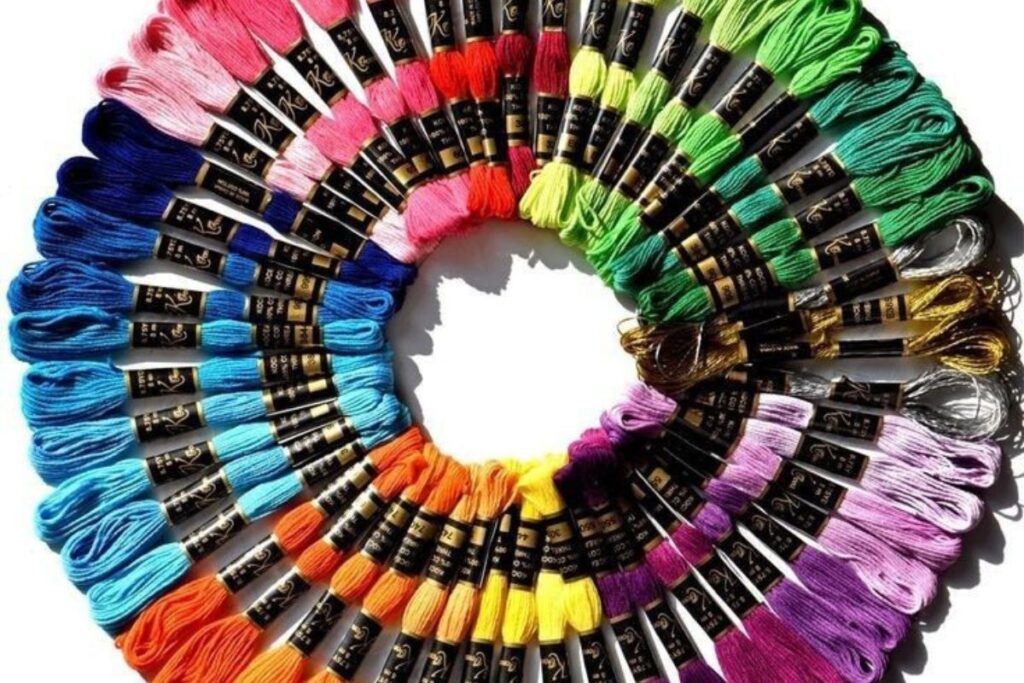
Colours of Threads
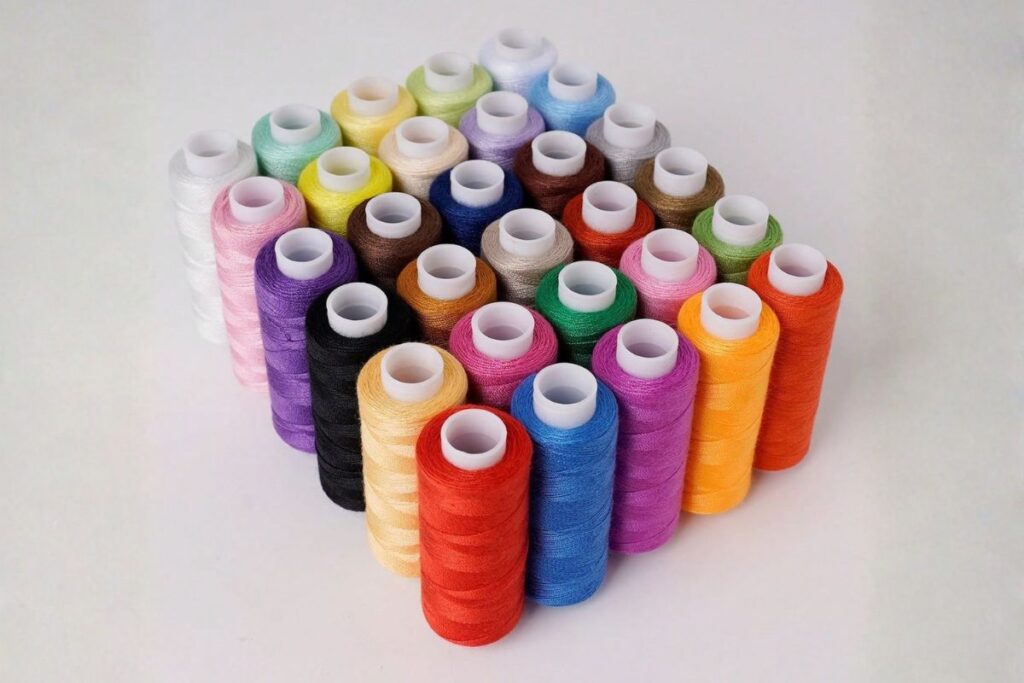
Threads are available in a wide range of colours, from basic shades to bright and unique tones. Colour selection plays a major role in the beauty of the design.
- Basic colours include black, white, red, blue, and green. These are commonly used for daily stitching and simple designs.
- Bright colours like yellow, orange, pink, and violet are often used in embroidery and festive designs.
- Pastel shades such as baby pink, light blue, mint green, and peach give a soft and elegant look, especially for modern blouse designs.
- Metallic threads like gold, silver, and copper are used for rich and bridal work. They add shine and make the design look more attractive.
- Multicolour threads are also available, where two or more shades are mixed in one thread. These are useful for creative and unique designs.
- Matching thread colour with fabric is important for neat finishing, while contrast colours are used to highlight the design.
Sizes of Threads
Thread size refers to the thickness of the thread. Choosing the correct size is important for both strength and appearance.
- Fine threads are thin and smooth. They are used for delicate work like embroidery, machine stitching, and detailed Aari designs.
- Medium threads are commonly used for regular stitching and basic tailoring work. They are strong and easy to handle.
- Thick threads are used for heavy fabrics like denim, silk borders, and decorative stitching. They are also used in hand embroidery to give a bold look.
- Thread sizes are often marked by numbers. Higher numbers usually mean thinner threads, and lower numbers mean thicker threads.
- Using the wrong size thread can affect the stitching quality. Too thick thread may damage light fabric, and too thin thread may break easily.
Variations of Threads
There are many types of threads available based on material and purpose. Each type is suitable for different kinds of work.
- Cotton thread is soft, natural, and easy to use. It is best for daily stitching and light embroidery work.
- Silk thread is smooth and shiny. It is used in Aari work, bridal blouses, and rich designs.
- Polyester thread is strong and long-lasting. It is commonly used in machine stitching and for garments that need durability.
- Rayon thread has a silky finish and is used for decorative embroidery work.
- Metallic thread is used for special designs. It gives a bright and attractive finish but needs careful handling.
- Wool thread is thick and soft, mostly used in winter wear and hand embroidery.
- Nylon thread is strong and flexible, often used in heavy-duty stitching.
Usage of Threads
Threads are used in many ways in tailoring and designing. Their usage depends on the type of work and fabric.
- Basic stitching: Threads are used to join fabric pieces together in sewing.
- Embroidery work: Threads are used to create beautiful designs on fabric, including floral, traditional, and modern patterns.
- Aari work: Special threads like silk and zari are used for detailed and decorative Aari designs.
- Decorative stitching: Threads are used to add borders, patterns, and highlights to garments.
- Repair work: Threads are used to fix torn clothes or replace missing stitches.
- Bead and stone work: Threads are used to attach beads, sequins, and stones securely on fabric.
- Machine stitching: Strong threads like polyester are used for fast and neat stitching using sewing machines.
Steps to Use Threads in Stitching and Embroidery
Using threads correctly is important to get a neat and professional finish. Below are the basic steps followed in most stitching and embroidery work.
- Select the right thread based on fabric type, design, and purpose.
- Choose the correct colour that matches or contrasts with the fabric.
- Cut the required length of thread. Avoid very long threads as they may tangle.
- Insert the thread into the needle carefully. Use a needle suitable for the thread size.
- Tie a small knot at the end of the thread to secure it.
- Start stitching from the backside of the fabric to hide the knot.
- Follow the design or stitching line properly. Maintain even tension while stitching.
- Avoid pulling the thread too tight, as it may damage the fabric or distort the design.
- For embroidery, use smooth and steady hand movements to create neat patterns.
- When the thread ends, tie a knot at the backside and cut the extra thread neatly.
- Check the finished work to ensure there are no loose threads or uneven stitches.
Tips for Better Thread Usage
- Always use good quality threads to avoid breakage and fading.
- Store threads in a dry and clean place to maintain their strength and colour.
- Keep threads arranged by colour for easy selection.
- Test the thread on a small piece of fabric before starting the main work.
- Use matching needle size for smooth stitching.
- Handle delicate threads like silk and metallic with care to avoid damage.
Threads may look simple, but they play a very important role in stitching and design work. Choosing the right colour, size, and type of thread helps in creating neat, strong, and beautiful designs. With proper usage and correct steps, threads can enhance the overall look of any garment or embroidery work.