
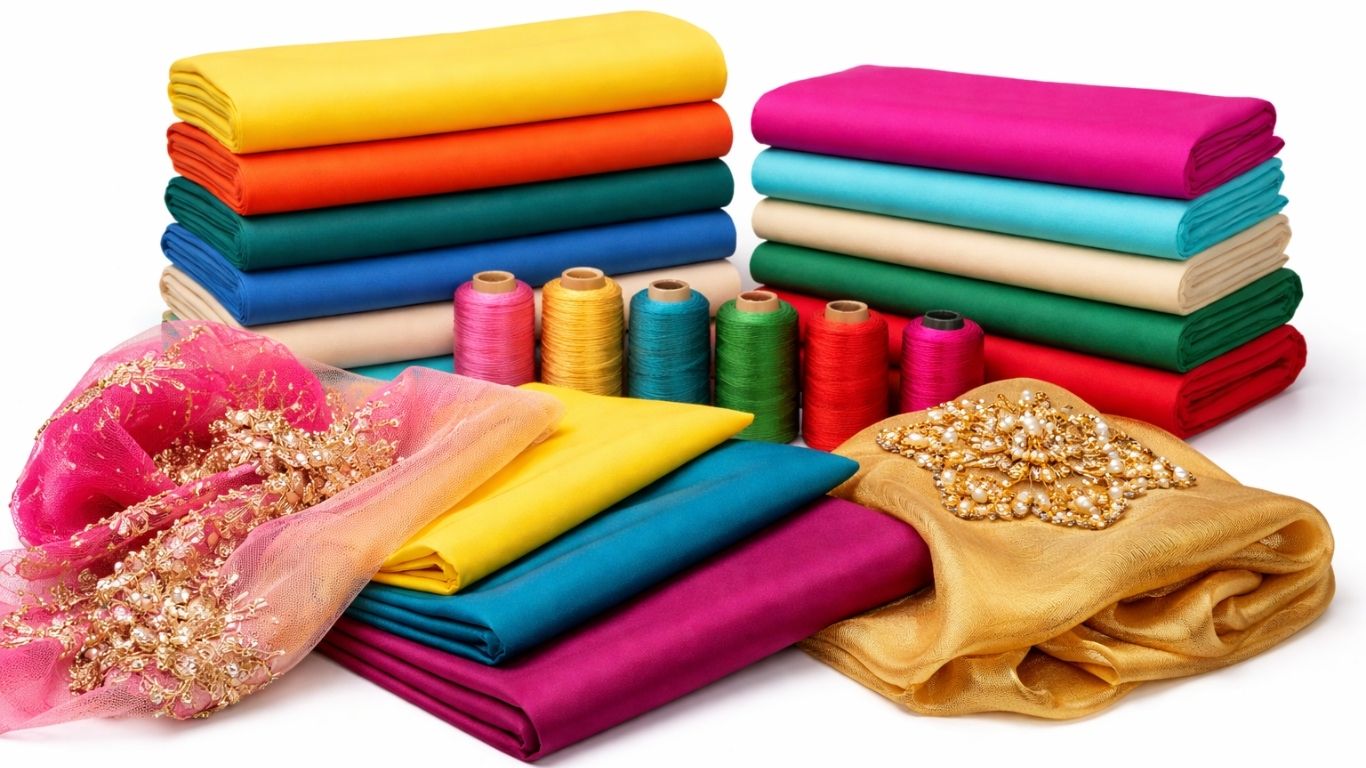
Fabric is the base of every outfit. Choosing the right fabric makes a big difference in how a dress looks, feels, and lasts. Whether you are designing blouses, sarees, or any garment, understanding fabric basics helps you create better results. Below is a simple and clear guide covering colours, sizes, variations, usage, and steps.
Fabric Colours
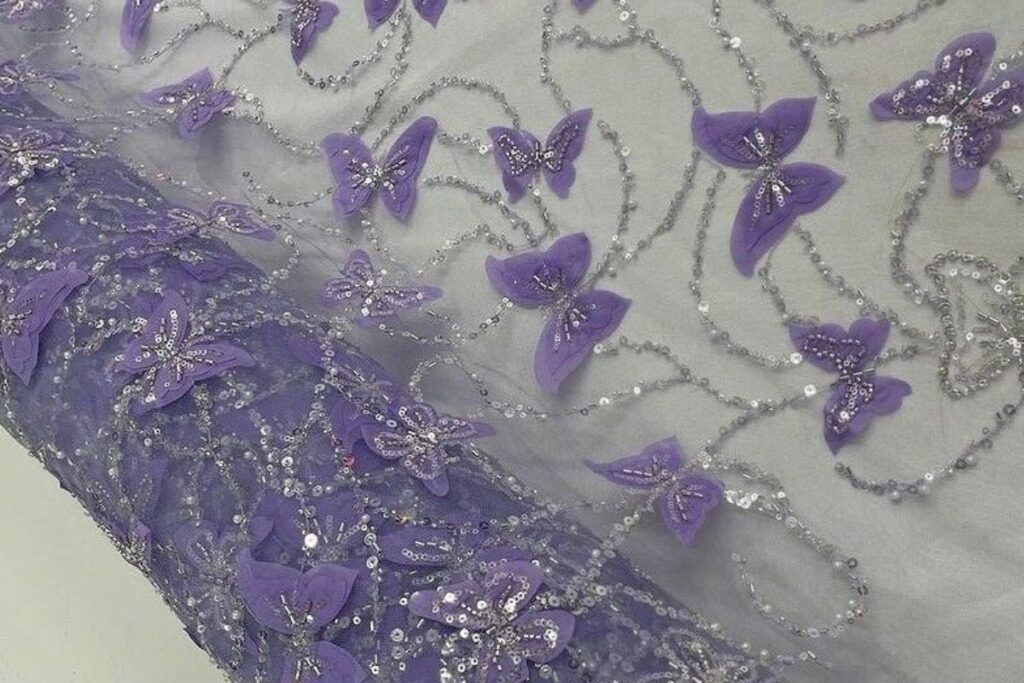
Fabric colours play an important role in design and appearance. The right colour can enhance beauty, highlight embroidery, and match the occasion.
- Light colours like white, cream, pastel pink, baby blue, and peach give a soft and elegant look. These are perfect for daytime events and simple designs.
- Dark colours like maroon, navy blue, black, bottle green, and deep purple create a rich and bold look. These are ideal for weddings and evening wear.
- Bright colours like yellow, orange, red, and bright green are perfect for festive occasions and traditional functions.
- Dual-tone fabrics are also popular. These fabrics change colour slightly in light and give a unique effect.
- Always choose colours based on skin tone, occasion, and embroidery work. For example, gold Aari work looks beautiful on dark shades.
- Colour fastness is important. Make sure the fabric does not lose colour after washing.
Fabric Sizes
Fabric size depends on the type of garment you are making. Correct measurement avoids waste and gives a perfect fit.
- Blouse fabric usually requires around 0.8 to 1 meter depending on sleeve length and design.
- Saree blouse designs with heavy work may need extra fabric for finishing and lining.
- For dresses or kurtis, fabric size may range from 2 meters to 3.5 meters depending on length and style.
- Always keep extra margin for stitching, cutting mistakes, and adjustments.
- Width of fabric is also important. Standard fabric width is around 44 inches or 56 inches.
- When working with embroidery like Aari work, leave extra space for hoop setting and design placement.
Fabric Usage
Fabric selection depends on the purpose and type of clothing.
- For bridal blouses, silk, velvet, or raw silk fabrics are mostly used because they hold heavy embroidery well.
- For party wear blouses, satin, georgette, or net fabrics are preferred for a stylish look.
- Daily wear blouses are usually made with cotton or simple silk for comfort.
- Heavy fabrics are suitable for Aari work, zari work, and stone work designs.
- Light fabrics are better for simple stitching and minimal designs.
- Stretchable fabrics are good for tight-fitting designs.
- Non-stretch fabrics give better structure and support for embroidery work.
- Always match the fabric with the saree or outfit for a complete look.
Fabric Variations
There are many types of fabrics available. Each has its own texture, feel, and purpose.
- Cotton fabric is soft, breathable, and comfortable. It is best for daily wear and summer outfits.
- Silk fabric is rich and smooth. It is mostly used for weddings and traditional wear. It gives a royal look.
- Georgette fabric is lightweight and flowy. It is good for stylish and modern designs.
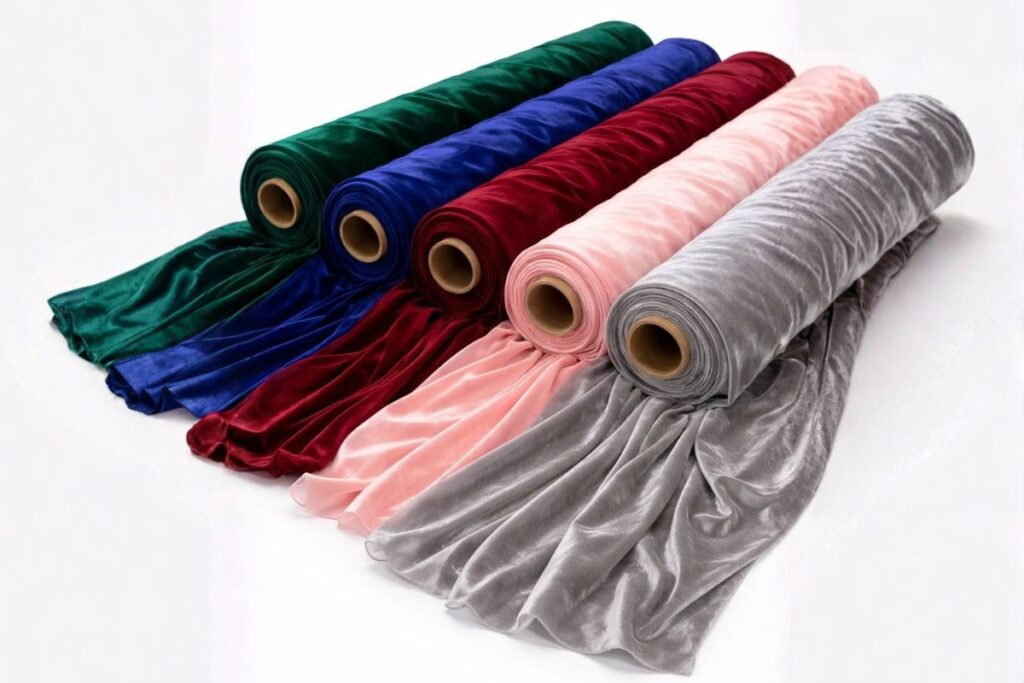
- Velvet fabric is thick and soft with a rich finish. It is perfect for heavy blouse designs and winter wear.
- Net fabric is transparent and stylish. It is often used for sleeves and designer patterns.
- Linen fabric is light and strong. It is comfortable and suitable for casual wear.
- Satin fabric has a shiny and smooth surface. It gives a classy and polished look.
- Raw silk and art silk are also popular choices for blouse making.
Steps to Choose the Right Fabric
Choosing the right fabric is an important process. Follow these simple steps:
- Understand the purpose
Decide where the outfit will be used. Wedding, party, casual, or daily wear. - Select the fabric type
Choose fabric based on comfort, design, and weather conditions. - Check the colour
Pick a colour that suits the design and occasion. Make sure it matches the saree or outfit. - Measure properly
Take accurate measurements before buying fabric. Always buy a little extra. - Check fabric quality
Feel the texture. Good fabric should be smooth, strong, and long-lasting. - Test colour quality
Rub the fabric slightly to check if the colour fades. - Consider design work
If you are doing Aari work or embroidery, choose a fabric that can hold the design properly. - Pre-wash if needed
Some fabrics shrink after washing. It is better to wash before stitching.
Fabric for Aari Work Blouses
Aari work requires strong and stable fabric for best results.
- Velvet is one of the best fabrics for heavy Aari work.
- Raw silk is also widely used for traditional designs.
- Cotton silk works well for medium designs.
- Avoid very thin fabrics as they may not hold the embroidery properly.
- Use lining fabric to support the design and improve finishing.
Fabric Trends
Fabric trends keep changing with fashion.
- Pastel shades are trending for modern and elegant looks.
- Rich jewel tones like emerald green and royal blue are popular for weddings.
- Mixed fabrics like silk with net or velvet with organza are trending in designer wear.
- Sustainable fabrics like organic cotton are also gaining popularity.
Fabric Care Tips
Taking care of fabric helps maintain its quality and life.
- Always follow washing instructions based on fabric type.
- Silk and velvet fabrics should be dry cleaned for best results.
- Cotton fabrics can be hand washed or machine washed.
- Avoid direct sunlight for drying dark colours to prevent fading.
- Iron the fabric at the correct temperature.
- Store fabrics in a clean and dry place.
Frequently Asked Questions
Fabric plays an important role in the beauty, comfort, and finishing of Aari work blouses. Choosing the right material helps embroidery designs stand out beautifully while giving a neat and elegant fitting for weddings, festivals, and party occasions.