
Zardosi
Zardosi materials are very important in rich traditional embroidery work. They help create a heavy, royal, and decorative finish in bridal blouses, festive designs, premium patterns, sleeves, necklines, borders, and luxury handwork. Zardosi style embroidery is known for its rich metal-look materials and grand finishing.
In Zardosi work, many special materials are used. Dabka is useful for raised decorative work, Nakshi gives a twisted rich effect, Salma helps create fine shining detail, and Kasab thread is used for decorative metallic style embroidery support. These materials are often used in heavy blouse work and traditional rich embroidery designs.
Why Zardosi Materials Are Important
Zardosi materials are used in embroidery when the design needs a rich, heavy, royal, and traditional finish. These materials help create depth, shine, raised detailing, and grand decorative beauty. They are especially useful in bridal blouses, festive wear, luxury embroidery, and heavy handwork patterns.
Choosing the Right Zardosi Material
Each Zardosi material gives a different decorative effect. Dabka helps create raised rich work, Nakshi gives twisted traditional beauty, Salma helps add fine metallic detail, and Kasab thread supports thread-based metallic style finishing. The correct choice depends on the design style and how heavy or rich the pattern needs to look.
- Dabka is useful for raised rich embroidery work.
- Nakshi gives twisted decorative traditional effect.
- Salma is useful for fine shining detail work.
- Kasab thread supports metallic decorative thread style.
- These materials are often mixed in one design.
Zardosi for Heavy Design Styles
Zardosi materials are often used in blouse neck work, sleeves, borders, bridal motifs, and rich floral patterns. They are not usually chosen for very simple work. Instead, they are selected when the embroidery needs more royal beauty, heavy texture, and festive richness.
- Useful for bridal and festive embroidery work.
- Suitable for heavy blouse and border designs.
- Helps create premium traditional finishing.
- Good for rich floral and decorative motifs.
- Can improve the overall value of embroidery design.
Types of Zardosi Materials
Below are the important Zardosi materials used in rich embroidery work. Each one gives a different texture, shine, structure, and traditional decorative effect to the final design.
Dabka
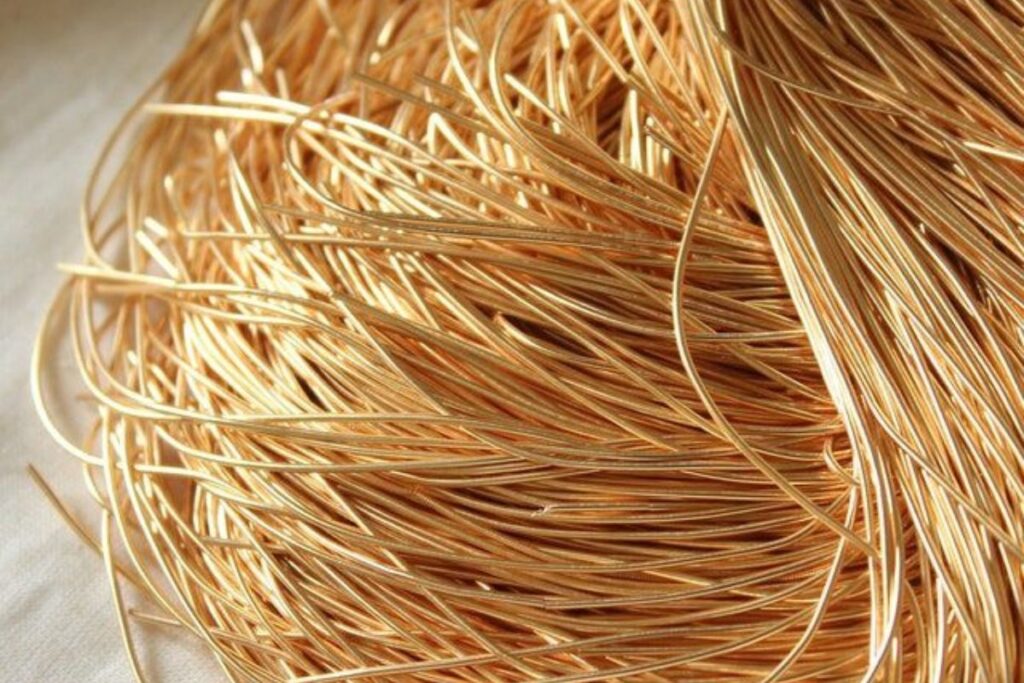
Dabka is one of the most important Zardosi materials used for raised and rich embroidery work. It helps create a heavy decorative finish and is often used in bridal and premium blouse designs.
Nakshi
Nakshi is useful for creating a twisted traditional decorative effect. It adds more detail and traditional richness to embroidery patterns and is often used in premium handwork.
Salma
Salma is used for fine shining detail in Zardosi embroidery. It helps create delicate metallic style lines and is useful in decorative design areas where finer richness is needed.
Kasab Thread
Kasab thread is a decorative metallic style thread used in rich embroidery work. It helps support traditional shining thread effects and is useful in premium blouse and heavy pattern designs.
How Zardosi Materials Help in Embroidery
Each Zardosi material helps create a different embroidery result. Some materials are useful for raised beauty, some for twisted traditional detail, and some for fine metallic or thread-based finishing.
Raised Rich Look
Dabka is useful when the embroidery needs a more raised and heavy rich appearance in bridal and premium designs.
Twisted Traditional Detail
Nakshi helps create a more traditional decorative effect and gives rich twisted detail in embroidery patterns.
Fine Metallic Shine
Salma is useful in design areas where finer metallic style shine and small detailed rich finishing are needed.
Metallic Thread Finish
Kasab thread helps create thread-based metallic decorative work and supports rich embroidery in blouse and border designs.
Heavy Decorative Work
Zardosi materials in general are useful when the design needs heavy decorative style instead of very simple embroidery finishing.
Traditional Premium Finish
Zardosi materials help create a premium traditional look in festive, bridal, and luxury embroidery styles.
Simple Guide to Zardosi Materials
The table below gives a simple understanding of the important Zardosi materials used in embroidery and how they help improve the final design.
| Material | Main Quality | Look | Best For |
|---|---|---|---|
| Dabka | Raised rich structure | Heavy decorative finish | Bridal and premium work |
| Nakshi | Twisted style | Traditional rich detailing | Decorative premium patterns |
| Salma | Fine metallic support | Small shining detail | Detailed design areas |
| Kasab Thread | Metallic thread style | Rich thread finish | Decorative blouse work |
Where Zardosi Materials Are Useful
Zardosi materials are useful in many embroidery situations where the design needs more richness, raised beauty, traditional style, and premium heavy finishing.
Bridal Blouse Work
Zardosi materials are very useful in bridal blouse work where the embroidery needs a rich, heavy, and festive traditional appearance.
Neck and Sleeve Patterns
Dabka, Nakshi, and Salma can be used in blouse neck and sleeve patterns to create detailed rich traditional finishing.
Luxury Festive Designs
Zardosi materials are useful in festive and luxury embroidery designs where the blouse needs a more royal decorative look.
Heavy Floral and Border Work
These materials can also be used in border and floral motifs where the embroidery needs more depth, texture, and raised metallic style beauty.
How to Choose the Right Zardosi Material
To choose the right Zardosi material, first check how rich and heavy the design needs to look. If the embroidery needs raised structure, Dabka may be useful. If the design needs twisted decorative detail, Nakshi can help. If the work needs fine metallic lines, Salma is useful. For thread-style metallic effect, Kasab thread is a good option.
The material should match the blouse style, pattern detail, and final traditional look required in the embroidery.
Why Zardosi Material Selection Matters
In Zardosi work, material selection changes the final beauty, depth, and richness of the design. Even if the pattern is the same, different materials can make the result look more heavy, more traditional, or more refined. This is why choosing the correct Zardosi material is important in embroidery planning.
Good Zardosi material choice helps improve the raised texture, richness, premium finish, and overall decorative value of the embroidery work.
Frequently Asked Questions About Zardosi Materials
These common questions can help users understand Zardosi materials and how they are used in rich traditional embroidery work.
What are Zardosi materials used for?
What is Dabka in embroidery?
What is the use of Nakshi in Zardosi work?
What is Salma used for?
Why is Kasab thread important in Zardosi embroidery?
Learn More Aari Work Materials
Zardosi materials are important in embroidery because they add raised richness, traditional beauty, and premium finishing to the design. Learning the right Zardosi material can help create better bridal blouse work and luxury embroidery results.
Zardosi is one of the most beautiful and detailed types of hand embroidery used in fashion. It gives a rich and royal look to any fabric. This traditional work is mostly seen in bridal wear, designer blouses, lehengas, sarees, and even home décor items.
What is Zardosi Work?
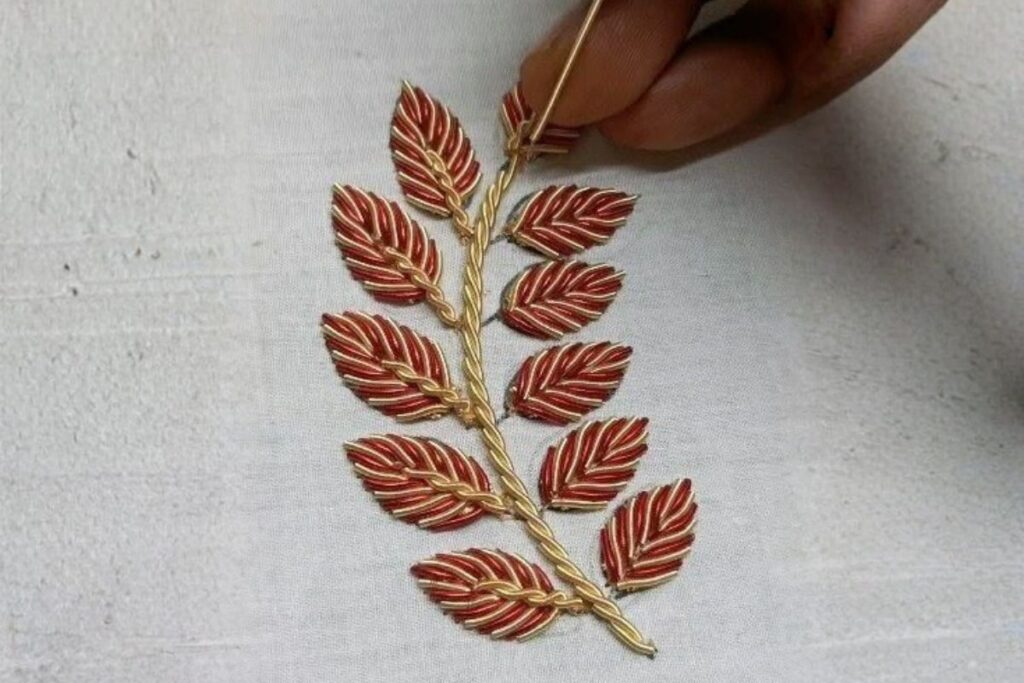
- Zardosi is a type of heavy embroidery done using metallic threads like gold and silver.
- It also includes materials like beads, stones, sequins, pearls, and wires.
- This work is done by hand using a special needle called an “Aari needle” or “hook needle.”
- It gives a rich, elegant, and traditional look to outfits.
Colours Used in Zardosi Work
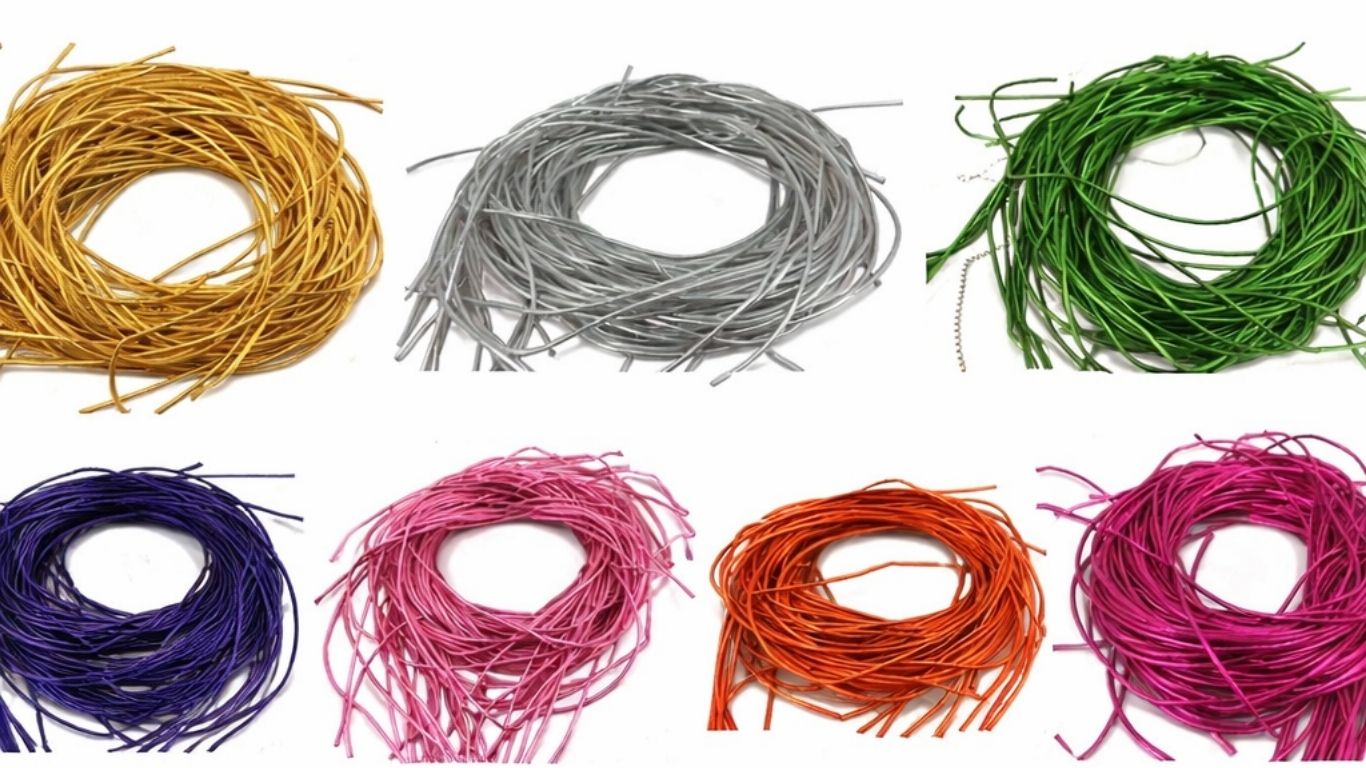
Zardosi is not limited to gold and silver. Today, many colour combinations are used to match modern fashion.
Gold Zardosi
Most traditional and popular
Used in bridal wear and silk sarees
Gives a royal and rich finish
Silver Zardosi
Slightly subtle compared to gold
Used for elegant and classy designs
Works well on pastel fabrics
Copper and Antique Shades
Used for vintage-style designs
Gives an old royal look
Perfect for traditional outfits
Multi-colour Zardosi
Combination of different thread colours
Used in modern blouse designs
Bright and eye-catching
Contrast Colour Work
Dark base with light embroidery or vice versa
Example: black blouse with gold Zardosi
Enhances the design visibility
Stone and Bead Colours
White pearls, coloured stones, and shiny crystals
Adds extra beauty to the embroidery
Used based on outfit colour
Size and Design Variations in Zardosi
Zardosi work comes in many sizes and design styles depending on the outfit and purpose.
Small and Fine Work
Tiny motifs and detailed patterns
Used for elegant blouses and light sarees
Takes more time due to detailing
Medium Designs
Balanced size patterns
Suitable for party wear and festive outfits
Easy to notice but not too heavy
Heavy and Large Designs
Big motifs and full coverage
Used in bridal blouses, lehengas, and grand sarees
Rich and luxurious look
Full Coverage Work
Entire fabric filled with Zardosi embroidery
Used in bridal wear
Very heavy and premium
Border and Patch Work
Designs only on edges or specific areas
Used in saree borders and blouse sleeves
Simple yet stylish
Motif-Based Designs
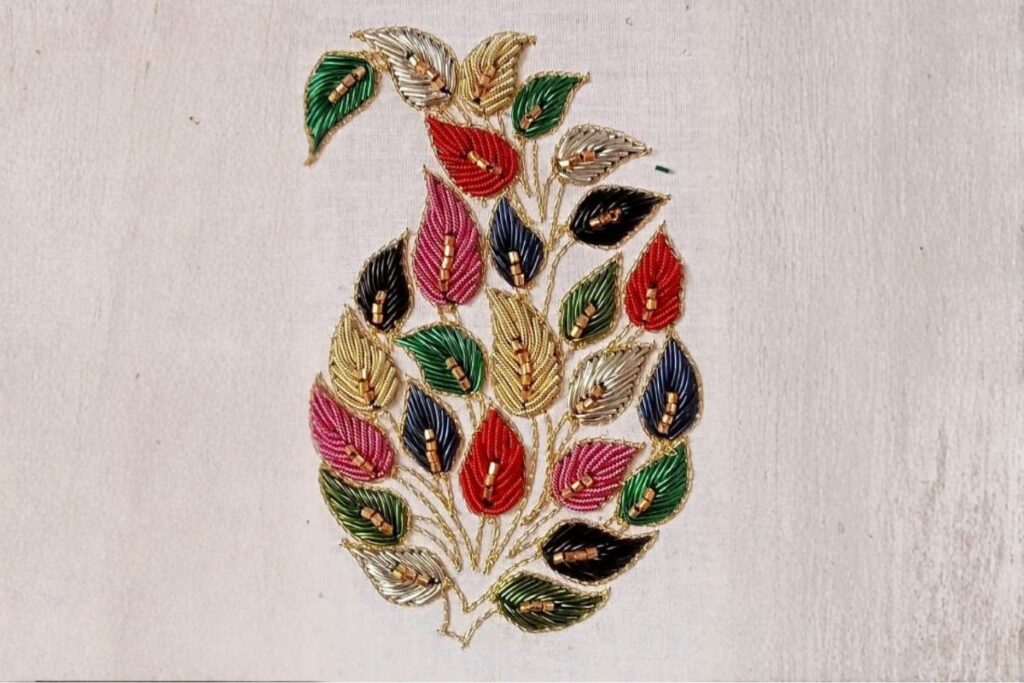
Repeated patterns like flowers, paisleys, or peacocks
Gives a neat and uniform look
Usage of Zardosi Work
Zardosi embroidery is widely used in fashion and decoration.
Bridal Wear
Bridal blouses, lehengas, sarees
Heavy Zardosi gives a grand look
Most preferred for weddings
Designer Blouses
Back neck designs, sleeves, borders
Adds richness to simple sarees
Sarees
Pallu and border designs
Enhances overall beauty of saree
Lehengas
Full skirt embroidery
Heavy and eye-catching designs
Kurtis and Dresses
Light Zardosi for festive wear
Used on necklines and sleeves
Dupattas
Border and small motifs
Completes the outfit look
Home Décor
Cushion covers, wall hangings
Royal and traditional touch
Types of Zardosi Techniques
Different techniques are used to create variety in designs.
Dabka Work
Coiled wire stitched onto fabric
Gives 3D effect
Salma Work
Fine metal wires used for detailing
Smooth and shiny look
Kundan Work
Stone setting within embroidery
Popular in bridal wear
Bead Work
Small beads stitched into design
Adds texture and shine
Sequin Work
Flat shiny discs used
Reflects light beautifully
Step-by-Step Process of Zardosi Work
Zardosi work requires skill, patience, and proper technique. Below are the basic steps:
1. Design Selection
Choose a design based on outfit type
Can be floral, traditional, or modern patterns
Design is first drawn on paper
2. Fabric Preparation
Fabric is selected (silk, velvet, net, etc.)
Cloth is stretched tightly on a wooden frame (adda)
Ensures smooth embroidery work
3. Design Tracing
The design is transferred onto fabric
Done using chalk, carbon paper, or tracing method
Ensures accurate placement
4. Thread and Material Selection
Choose suitable threads and decorative items
Match colours with fabric
Decide beads, stones, and wires
5. Embroidery Work
Done using Aari needle or hook
Threads and materials are stitched onto fabric
Work is done slowly with care for neat finish
6. Adding Decorative Elements
Stones, beads, sequins are added
Gives shine and richness to design
Placed carefully for balance
7. Finishing Process
Extra threads are cut
Fabric is cleaned
Final checking for neatness
Materials Used in Zardosi Work
Different materials are used to create beautiful Zardosi designs.
- Metallic threads (gold, silver, copper)
- Zari threads
- Beads and pearls
- Stones and crystals
- Sequins
- Dabkha (coiled wire)
- Salma (thin metal wire)
- Fabric base like silk, velvet, georgette, or net
Common Design Elements in Zardosi
- Floral patterns
- Paisley (mango design)
- Peacock motifs
- Mughal-inspired patterns
- Geometric shapes
- Traditional temple designs
Where Zardosi is Popular
- Bridal fashion industry
- Designer boutiques
- Wedding collections
- Festive wear collections
- High-end fashion shows
Fabrics Suitable for Zardosi
Zardosi work looks best on certain fabrics:
- Silk – rich and traditional look
- Velvet – perfect for heavy work
- Georgette – light and flowy
- Net – modern and stylish
- Satin – smooth and shiny base
Advantages of Zardosi Work
- Gives a royal and luxurious appearance
- Highly detailed and artistic
- Suitable for all occasions
- Can be customized easily
- Long-lasting if maintained well
Care Tips for Zardosi Work
- Always dry clean heavy Zardosi outfits
- Do not wash in machine
- Store in soft cloth to avoid damage
- Keep away from moisture
- Avoid folding on heavy embroidery areas