
Aari work is a beautiful and detailed embroidery technique that needs the right tools to get perfect results. One of the most important tools in this craft is the Aari frame. Whether you are a beginner or someone already doing blouse designs or embroidery work, choosing the right frame and using it correctly can make a big difference in your final design.
What is an Aari Frame?
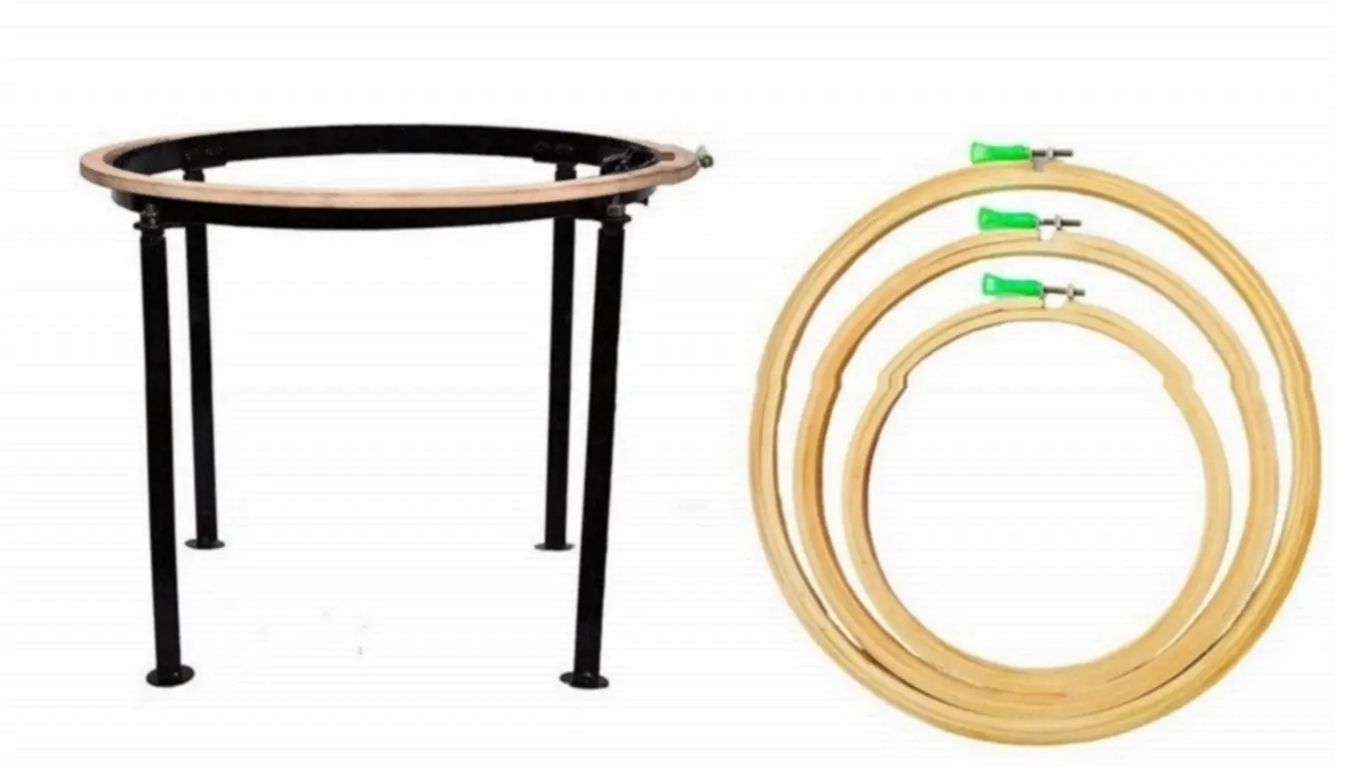
An Aari frame is a wooden or metal stand used to hold fabric tightly while doing Aari embroidery. It keeps the cloth stretched and steady so you can do neat and smooth stitching. Without a proper frame, the fabric may loosen, and the design may not look clean.
Aari frames are widely used for blouse designs, lehengas, saree borders, and even heavy bridal work.
Aari Frame Colors
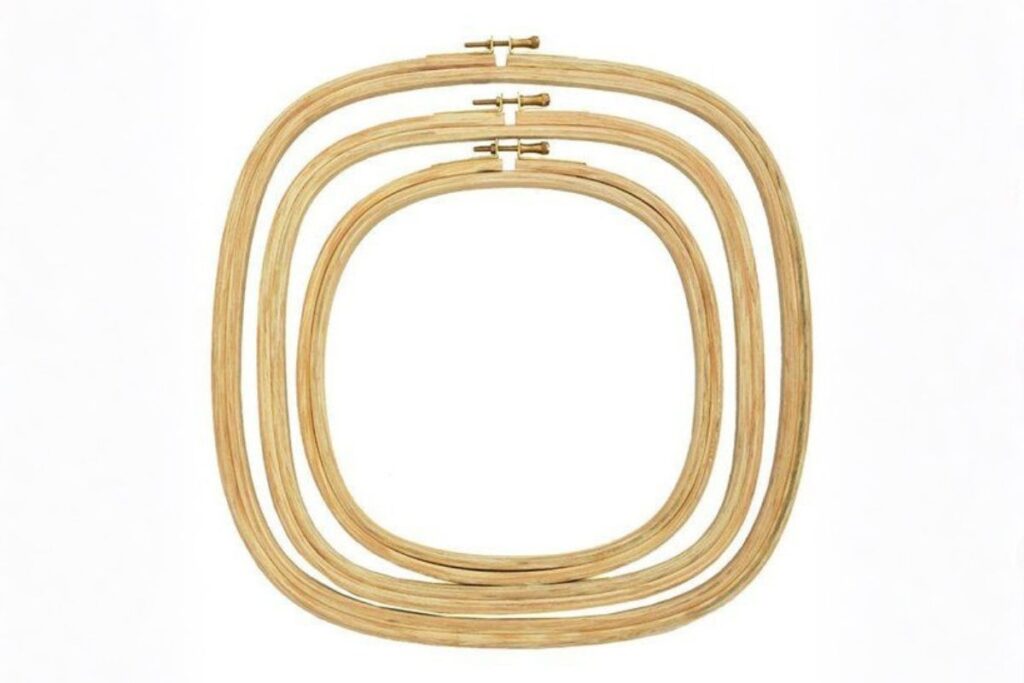
Aari frames usually come in natural wood color, but nowadays, you can also find them in different painted or polished finishes. The color of the frame does not affect the work directly, but it can make your workspace look more attractive and comfortable.
While choosing color, focus more on quality and strength rather than appearance. A strong frame is always better than a stylish one.
Here are some common options:
- Natural Wood Color – This is the most common type. It looks simple and traditional.
- Dark Brown Polish – Gives a professional and rich look.
- Light Wood Finish – Clean and modern appearance.
- Painted Frames (White/Black/Custom Colors) – Mostly used for aesthetic purposes or studio setups.
Aari Frame Sizes
Aari frames come in different sizes based on the type of work you do. Choosing the right size is very important for comfort and efficiency.
Medium Size Frames
- Good for regular blouse work
- Comfortable for daily use
- Not too big, not too small
Large Size Frames
- Used for sarees, lehengas, and heavy embroidery
- Suitable for professional work
- Needs more space
Adjustable Frames
- Can be expanded or reduced based on fabric size
- Flexible and very useful for different projects
Uses of Aari Frame
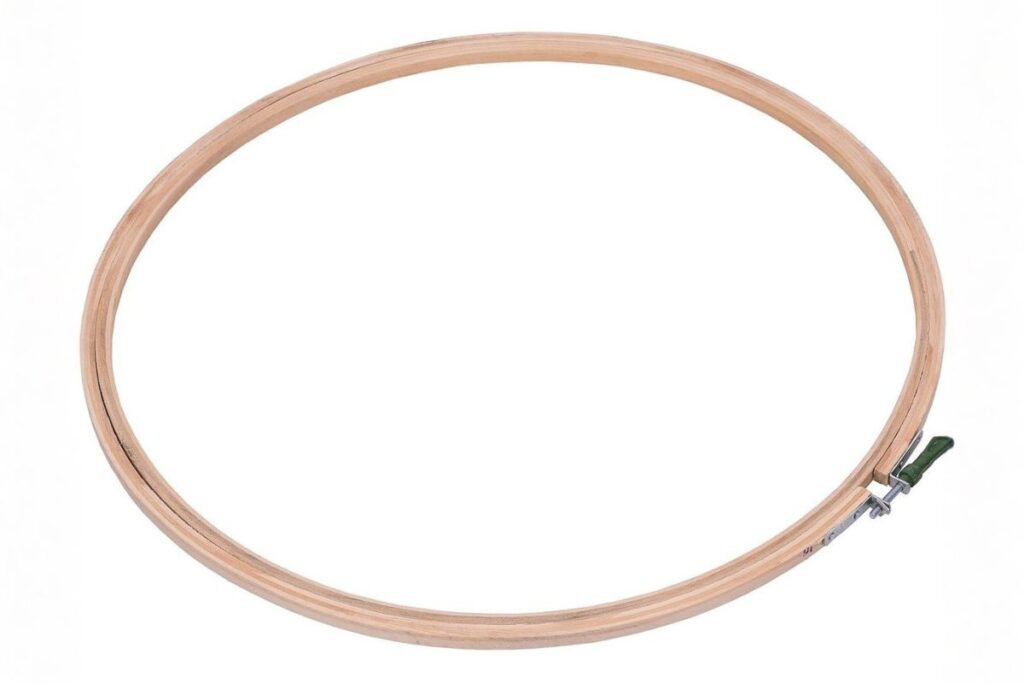
The Aari frame is used in many types of embroidery work. It helps you maintain neatness, speed, and accuracy.
Here are the main uses:
- Blouse Designing – For back neck designs, sleeves, and full blouse embroidery
- Bridal Wear – Heavy designs on lehengas and wedding blouses
- Saree Work – Borders and pallu embroidery
- Dress Materials – Kurtis, gowns, and designer outfits
- Hand Embroidery Projects – Any fabric-based creative work
The frame keeps the fabric tight, which helps in smooth needle movement and better finishing.
Materials Used in Aari Frames
Aari frames are usually made from:
- Wood – Traditional and strong, most commonly used
- Metal – Durable and long-lasting, slightly heavier
- PVC/Plastic (Rare) – Lightweight but not as strong
Wooden frames are preferred because they are stable and easy to work with.
How to Set Up an Aari Frame (Step-by-Step)
Setting up the frame correctly is very important. If the cloth is not tight, your design will not come out neatly.
Follow these simple steps:
Step 1: Choose Your Fabric
Select the cloth you want to work on. Make sure it is clean and ironed properly.
Step 2: Place the Frame
Keep the frame on a flat surface or stand. Make sure it is stable.
Step 3: Attach the Fabric
Place the fabric over the frame. Use small nails, clips, or threads to fix the edges of the fabric to the frame.
Step 4: Stretch the Fabric
Pull the fabric gently from all sides so it becomes tight like a drum. This step is very important.
Step 5: Secure Properly
Fix all sides tightly so the fabric does not loosen while working.
Step 6: Check the Tightness
Press the fabric lightly. If it feels firm and does not sag, it is ready.
Step 7: Start Embroidery
Now you can begin your Aari work smoothly.
How to Choose the Right Aari Frame
When buying an Aari frame, consider the following:
- Size – Based on your project type
- Material – Strong wood is best
- Stability – Frame should not shake
- Ease of Setup – Easy to fix and remove fabric
- Portability – If you need to move it often
Avoid very cheap frames, as they may not last long or hold the fabric properly.
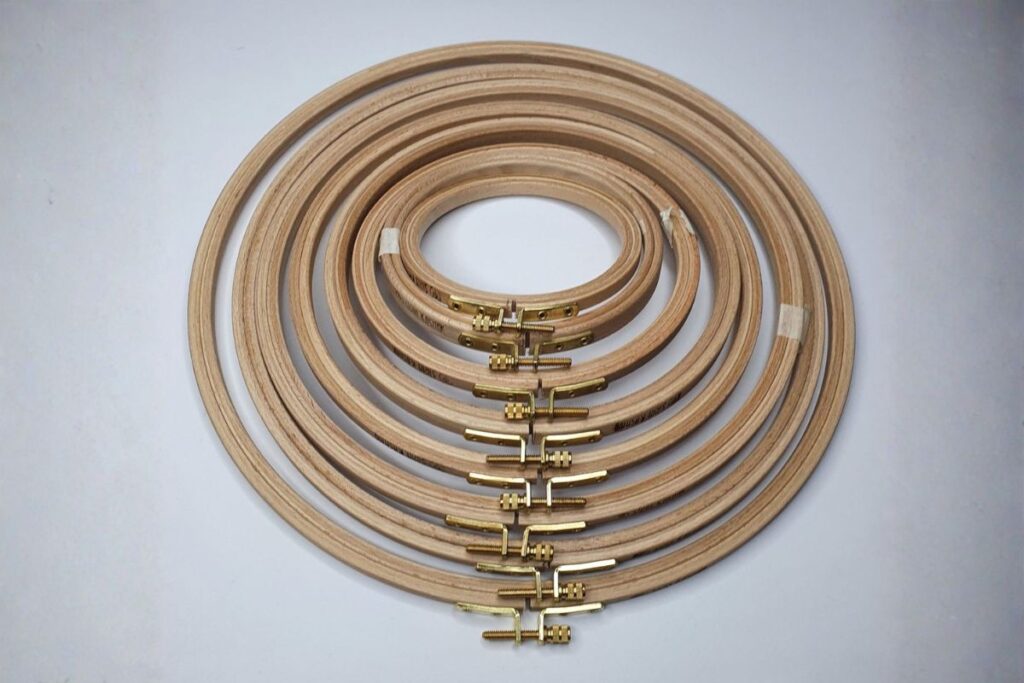
Why Aari Frame is Important
Without an Aari frame, it is very difficult to achieve clean and professional embroidery. The frame helps in:
- Better control of needle
- Faster work
- Clean finishing
- Professional results
It is one of the basic and most important tools for anyone interested in Aari work.
Tips for Using an Aari Frame
- Always keep the fabric tight
- Do not over-stretch, as it may damage delicate fabrics
- Sit comfortably while working to avoid back pain
- Use good lighting for better visibility
- Clean the frame regularly to avoid dust on fabric
Common Mistakes to Avoid
- Using loose fabric on the frame
- Choosing the wrong size for your project
- Not fixing the cloth evenly on all sides
- Working in poor lighting conditions
- Ignoring posture while sitting
These small mistakes can affect your final embroidery quality.
Les premières impressions laissées par https://montecrypto-fr.fr confirment le sérieux du projet et le soin apporté à l’ensemble. Les missions saisonnières incitent à découvrir de nouveaux jeux contre récompenses spécifiques. La page d’accueil met en évidence les jeux populaires et les promotions du moment. Les jackpots progressifs atteignent régulièrement des montants susceptibles de transformer une vie. L’assistance francophone est disponible 24 heures sur 24 par chat en direct. Les transactions en cryptomonnaie sont possibles pour les joueurs habitués aux solutions modernes. La transparence des règles et des taux de redistribution inspire confiance aux joueurs les plus prudents. Les variantes de baccarat en direct incluent la version Speed et le Squeeze pour les habitués. Les jeux se chargent rapidement sur mobile sans nécessiter d’application supplémentaire à installer. Les options de jeu en groupe permettent de partager l’expérience avec des amis en temps réel. Les conditions de mise sont précisées clairement sur chaque promotion en cours. Les transitions entre les sections sont fluides et préservent le rythme de la session. Les versions démo permettent de tester chaque jeu sans engager le moindre euro. Le support multilingue permet aux joueurs de communiquer dans leur langue préférée en toute simplicité. Les options de paiement varient selon les pays mais couvrent l’essentiel des solutions usuelles. La plateforme publie régulièrement des rapports de transparence sur les taux de redistribution de ses jeux. Les game shows en direct comme les jeux de roue géante créent une atmosphère unique. L’interface mobile a été conçue dès l’origine pour offrir une expérience fluide sur smartphones et tablettes. L’expérience laisse une impression positive durable, signe d’un travail de fond réussi. La promesse initiale tient ses engagements grâce à un travail soigné dans tous les domaines.
Frequently Asked Questions
Aari frame is one of the most important tools used in Aari embroidery work. It helps maintain proper fabric tension and supports neat hand embroidery for bridal blouses, designer blouses, maggam work, and custom embroidery designs. Below are some useful questions about selecting, using, and maintaining an Aari frame.