

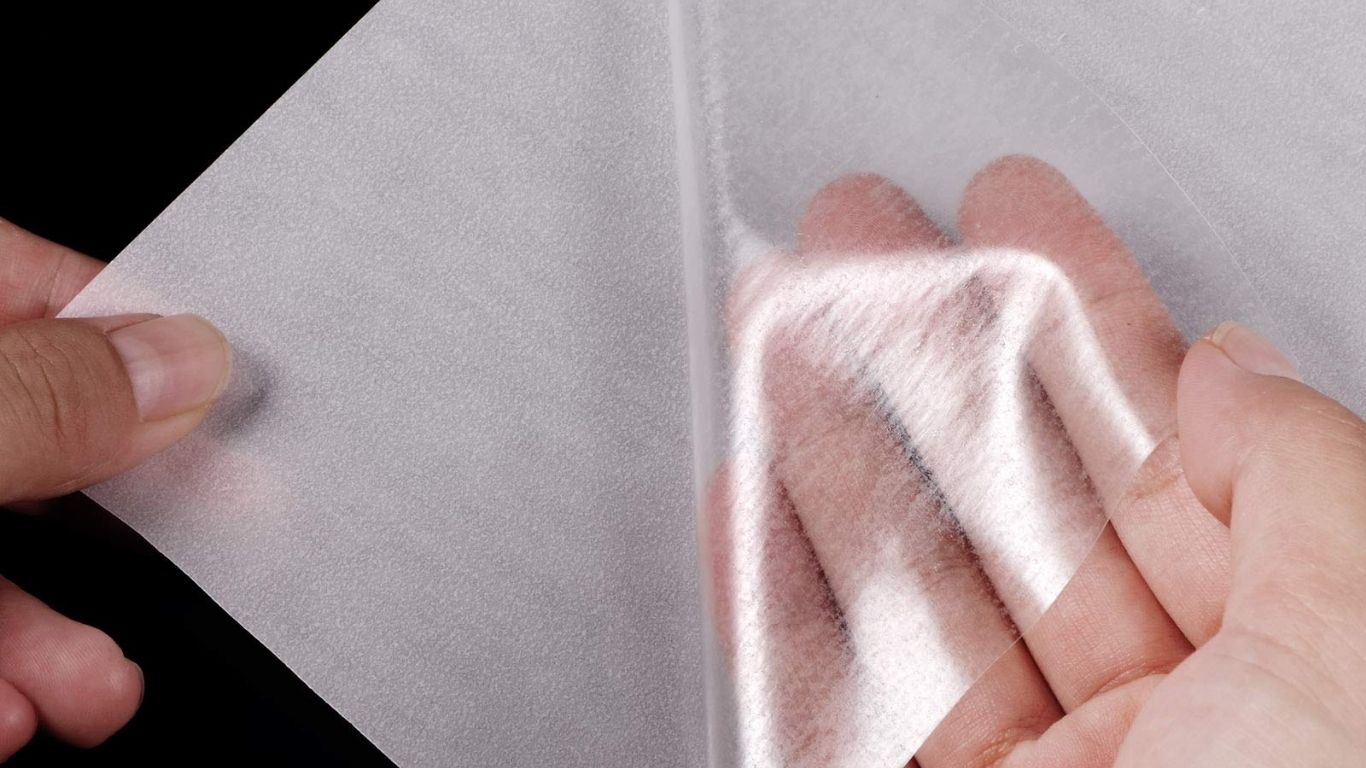
Adhesive sheets are one of the most useful materials for both creative work and everyday needs. Whether you are doing craft projects, decorating your home, labeling items, or working on DIY ideas, adhesive sheets make the process simple and clean. They come in different colours, sizes, textures, and strengths, which makes them suitable for many purposes.
What Are Adhesive Sheets?
Adhesive sheets are flat materials that come with a sticky backing. One side has adhesive (glue), and the other side is the visible surface, which can be plain, coloured, printed, or textured. They usually come with a protective layer that you peel off before use.
These sheets are designed to stick easily to surfaces like paper, plastic, glass, wood, metal, and even walls depending on the type.
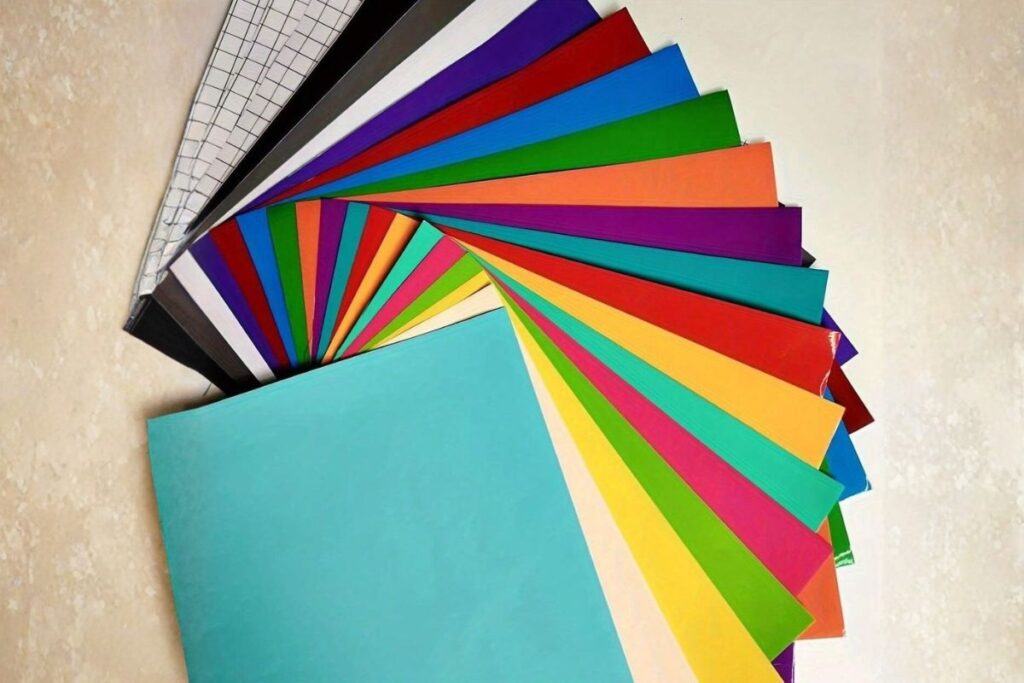
Colours and Design Variations
These are plain sheets in single colours like:
- White
- Black
- Red
- Blue
- Green
- Yellow
- Pink
- Solid colours are perfect for labeling, school projects, office work, and simple decorations.
2. Metallic Colours
These sheets have a shiny finish such as: - Gold
- Silver
- Copper
They are often used for gift wrapping, festive decorations, and premium crafts.
3. Transparent Sheets
Clear adhesive sheets are useful when you want to protect surfaces without hiding them. They are commonly used for: - Book covering
- Surface protection
- Laminating-like finishing
- 4. Printed Designs
These sheets come with patterns like: - Floral prints
- Geometric designs
- Cartoon prints
- Marble or wood finish
Perfect for home décor, kids’ crafts, and creative DIY work.
5. Matte and Glossy Finish - Matte finish gives a smooth, non-shiny look
- Glossy finish gives a shiny and polished look
You can choose based on the final appearance you want.
Sizes and Thickness Options
Adhesive sheets come in different sizes and thickness levels depending on the usage.
Common Sizes
- A4 Size (210 x 297 mm)
Most popular for office and school use. - A3 Size (297 x 420 mm)
Suitable for larger craft projects. - Roll Form (Various widths and lengths)
Used for covering large surfaces like walls, shelves, and furniture. - Custom Sizes
Some sheets are available in square or rectangular pre-cut sizes.
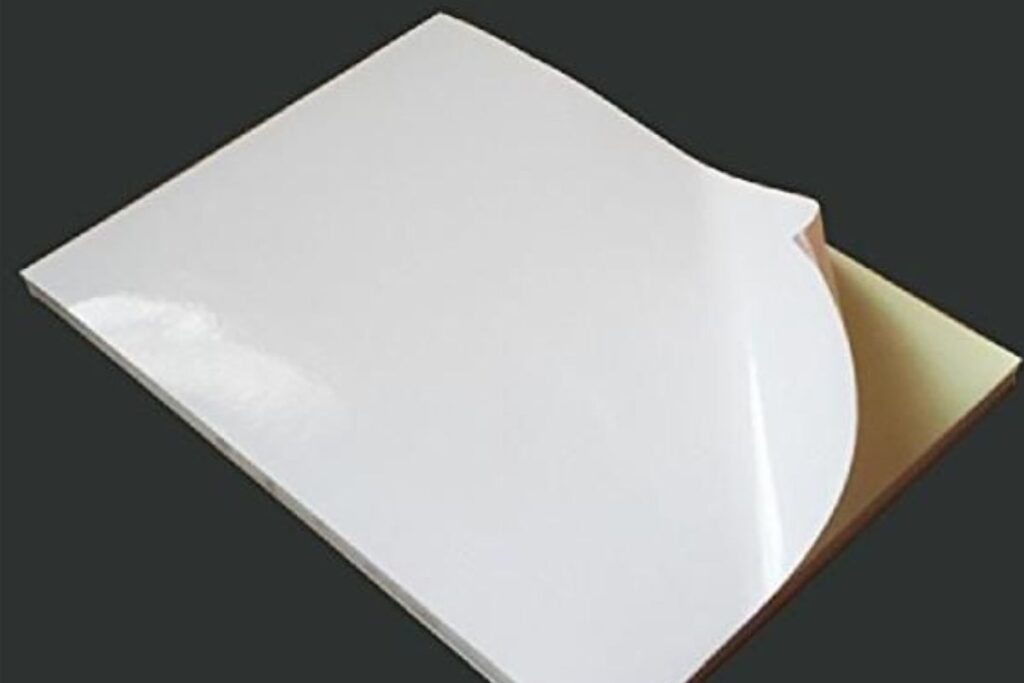
Thickness Variations
- Thin Sheets
Easy to cut and flexible. Best for paper crafts and labels. - Medium Thickness
Suitable for general use like decoration and DIY. - Thick Sheets
Strong and durable. Used for long-term applications like furniture covering or wall stickers.
Common Uses of Adhesive Sheets
Adhesive sheets are very versatile. You can use them in many different ways.
1. Home Decoration
- Cover old furniture to give a new look
- Decorate walls with patterns or designs
- Use as shelf liners
4. Protection Purpose
- Cover books to protect from damage
- Protect surfaces from scratches
- Use as a temporary cover
2. Craft and DIY Projects
- Scrapbooking
- Card making
- School projects
- Handmade gifts
5. Business and Packaging
- Product labeling
- Branding stickers
- Packaging decoration
3. Office and School Use
- Labeling books and files
- Organizing items
- Creating charts and presentations
6.Fabric and Design Work
Some adhesive sheets are used in fabric design, especially for temporary sticking or pattern placement.
How to Use Adhesive Sheets – Step-by-Step Guide
Using adhesive sheets is simple, but doing it properly will give a neat and long-lasting result.
Step 1: Clean the Surface
Make sure the surface is clean, dry, and free from dust or oil. This helps the sheet stick properly.
Step 2: Measure and Cut
Measure the area where you want to apply the sheet. Cut the sheet according to the required size using scissors or a cutter.
Step 3: Peel the Backing
Slowly peel off the protective backing from one side. Do not remove it completely at once to avoid sticking issues.
Step 4: Position Carefully
Place the sheet on the surface gently. Start from one edge and slowly move forward.
Step 5: Press and Smooth
Use your hand or a flat tool to press the sheet and remove air bubbles. Move from the center towards the edges.
Step 6: Adjust if Needed
If the sheet is not placed correctly, gently lift and reposition it before pressing firmly.
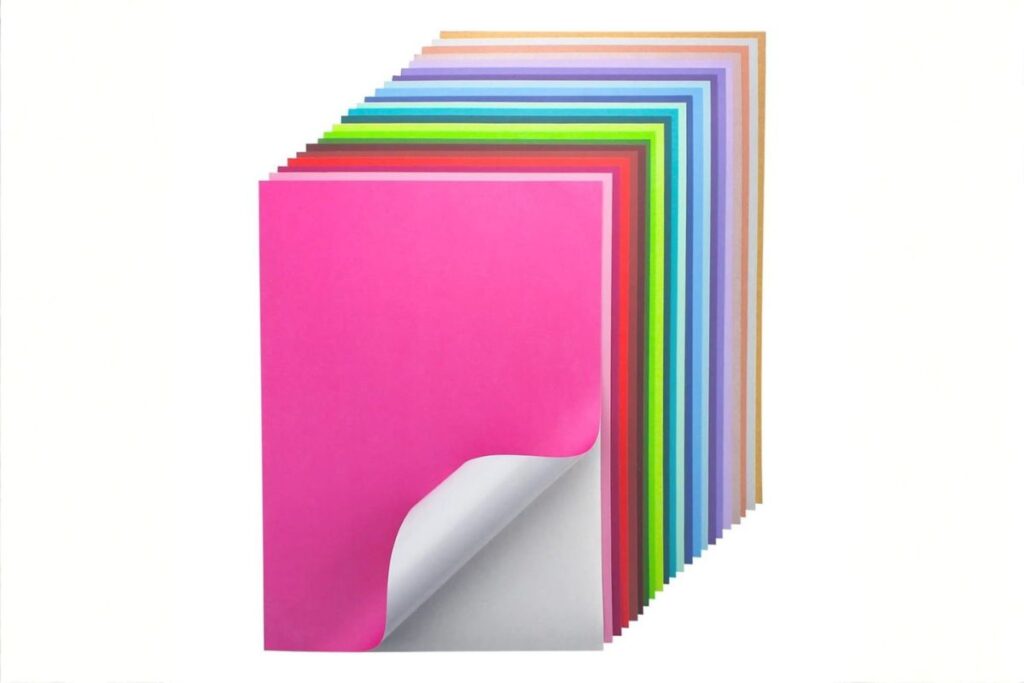
Advantages of Adhesive Sheets
Adhesive sheets are popular because they offer many benefits:
- Easy to use without special tools
- Available in many colours and styles
- Affordable and cost-effective
- Saves time compared to traditional methods
- Suitable for beginners and professionals
- Can be used on multiple surfaces
Things to Consider Before Buying
Before choosing adhesive sheets, keep these points in mind:
- Purpose of use (decoration, protection, craft, etc.)
- Surface type (smooth, rough, curved)
- Required size and thickness
- Colour or design preference
- Indoor or outdoor use
Choosing the right type will give better results and longer durability.
Maintenance and Care
After applying adhesive sheets, simple care can help maintain their look:
- Clean gently with a soft cloth
- Avoid using strong chemicals
- Do not scratch or peel edges
- Keep away from extreme heat or moisture
Tips for Better Results
- Always cut slightly larger than needed, then trim the edges
- Work slowly to avoid wrinkles and bubbles
- Use a ruler or card to smooth the surface
- Avoid applying on rough or uneven surfaces
- Store sheets in a cool, dry place
Adhesive sheets are a simple yet powerful solution for many everyday needs. With the right selection and proper application, they can improve both the look and functionality of your projects.
Frequently Asked Questions
Adhesive sheets are widely used in Aari work, embroidery, crafting, and blouse designing for easy pattern fixing and clean finishing. These sheets help designers maintain accurate designs while working with beads, stones, zari, and thread embroidery on different fabrics.