

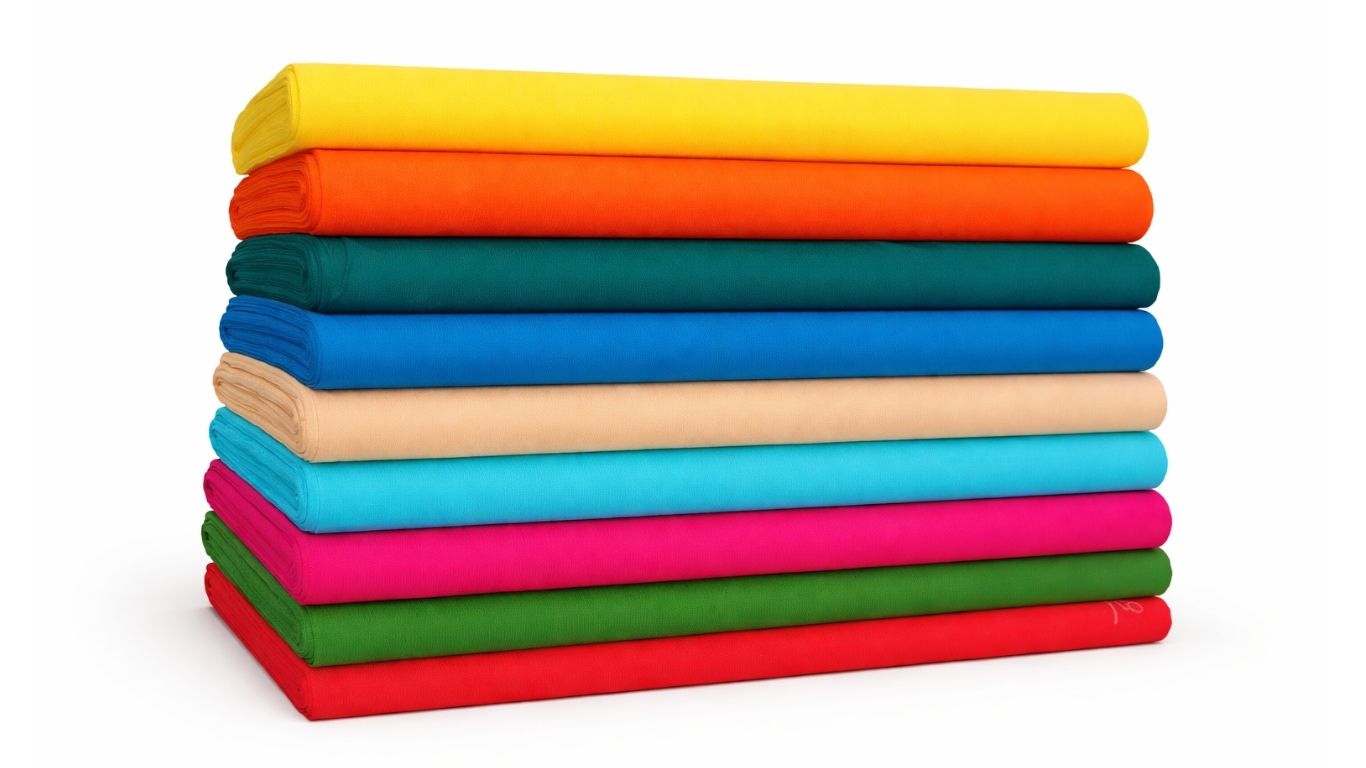
Lining Cloth
Lining cloth is an important supporting material used in blouse making and Aari work finishing. It is placed inside the blouse to give better comfort, support, structure, and neat finishing. In many cases, embroidery work may look beautiful on the outer fabric, but good lining cloth inside helps the blouse feel better and look more properly finished.
Cotton lining is one of the commonly used lining materials. It is often chosen because it is useful inside the blouse and helps support the outer fabric. Lining cloth can improve comfort, help the blouse hold shape better, and give a cleaner inside finish after embroidery and stitching work are completed.
Why Lining Cloth Is Important in Blouse Work
Lining cloth is important because it supports the blouse from inside and helps improve the overall finishing. A blouse with proper lining can feel more comfortable, hold shape better, and look more neat after stitching and embroidery work are completed. It is a simple material, but it plays an important role in good blouse finishing.
Cotton Lining and Its Use
Cotton lining is commonly used as lining cloth because it is suitable for inside blouse support. It helps give a better inside layer to the blouse and supports the outer fabric. In embroidered blouses, this lining can also help make the final product feel more complete and properly finished.
- Cotton lining is commonly used inside blouse.
- It supports the outer blouse fabric.
- Helps improve inside finishing.
- Useful after embroidery and stitching work.
- Can help the blouse hold shape better.
Why Inside Support Matters
In blouse work, the outside design may look beautiful, but inside support is also important. Lining cloth helps make the blouse stronger and more neat from inside. It can improve comfort and reduce the unfinished feel that may happen when there is no proper inner support cloth.
- Gives better inside support to blouse.
- Helps improve comfort during wear.
- Useful for more neat blouse construction.
- Can support embroidery finish from inside.
- Improves the complete look of blouse making.
How Lining Cloth Helps in Blouse Making
Lining cloth may not be the main decorative material, but it is very useful in blouse making. It supports structure, comfort, and proper finishing inside the blouse.
Inside Blouse Use
Lining cloth is mainly used inside blouse as a support layer that helps improve blouse construction and neat finishing.
Better Shape Support
Good lining cloth can help the blouse hold shape better after stitching and embroidery work are completed.
Comfort Support
Cotton lining can help improve the inside comfort of the blouse and make the final garment feel more complete.
Neat Inner Finish
Lining cloth helps give a cleaner and more neat inner finish after embroidery and blouse stitching are done.
Outer Fabric Support
The lining layer can also support the outer blouse fabric and help make the final blouse structure more steady.
Simple but Important
Even though lining cloth is simple, it is an important support material in good blouse making and finishing.
Simple Guide to Lining Cloth
The table below gives a simple understanding of lining cloth and how it is useful in blouse work.
| Material | Main Quality | Use | Best For |
|---|---|---|---|
| Lining Cloth | Support material | Used inside blouse | Better blouse finishing |
| Cotton Lining | Simple useful lining | Inner support layer | Comfort and structure |
| Blouse Inner Cloth | Neat support finish | Inside blouse making | Proper garment construction |
Where Lining Cloth Is Useful
Lining cloth is useful in many blouse-making situations where the design needs better support, inside comfort, and a more neat finished look.
Inside Blouse Support
Lining cloth is mainly useful inside blouse as a support layer that helps improve the overall structure and feel of the blouse.
After Embroidery Work
In embroidered blouses, lining cloth helps support the inside finish and makes the garment look more complete after work is done.
Comfort and Shape
Cotton lining is useful when the blouse needs a more comfortable and better-shaped inside structure during use.
Neat Blouse Finishing
Lining cloth is also useful in giving a more neat and proper finish to the inner part of the blouse.
How to Choose the Right Lining Cloth
To choose the right lining cloth, first check the type of blouse and outer fabric being used. Cotton lining is often a common choice because it is useful inside blouse and helps support the design. The lining should match the blouse need, support the fabric well, and help improve overall finishing.
The comfort, support, and blouse structure should all be considered before selecting the lining material.
Why Lining Cloth Matters
In blouse making, lining cloth matters because it supports the inside structure of the garment. Even if the outside design looks beautiful, the blouse may not feel complete without proper lining support. This is why lining cloth is an important part of good blouse construction.
Good lining cloth helps improve support, comfort, inner finishing, and overall blouse quality.
Frequently Asked Questions About Lining Cloth
These common questions can help users understand lining cloth and how it is used inside blouse work.
What is lining cloth used for in blouse making?
What type of lining is commonly used inside blouse?
Why is lining cloth important in embroidered blouses?
Does lining cloth help the blouse hold shape better?
Can lining cloth improve comfort?
Learn More Aari Work Materials
Lining cloth is an important support material in blouse making because it improves comfort, structure, and inner finishing. Learning the right lining use can help create better blouse work and more complete final results.
Lining cloth is an important part of garment making. It may not be visible from the outside, but it plays a big role in how a dress, blouse, jacket, or skirt looks and feels. A good lining gives comfort, neat finishing, strength, and shape to the garment. In this content, you will find simple and clear points about lining cloth, including colours, sizes, types, usage, and steps.
What is Lining Cloth?
- Lining cloth is an extra layer of fabric attached inside a garment
- It covers the inner side and hides stitches, seams, and rough edges
- It improves the overall look and feel of the dress
- Used in blouses, kurtis, lehengas, jackets, coats, skirts, and gowns
- Helps the outer fabric sit properly on the body
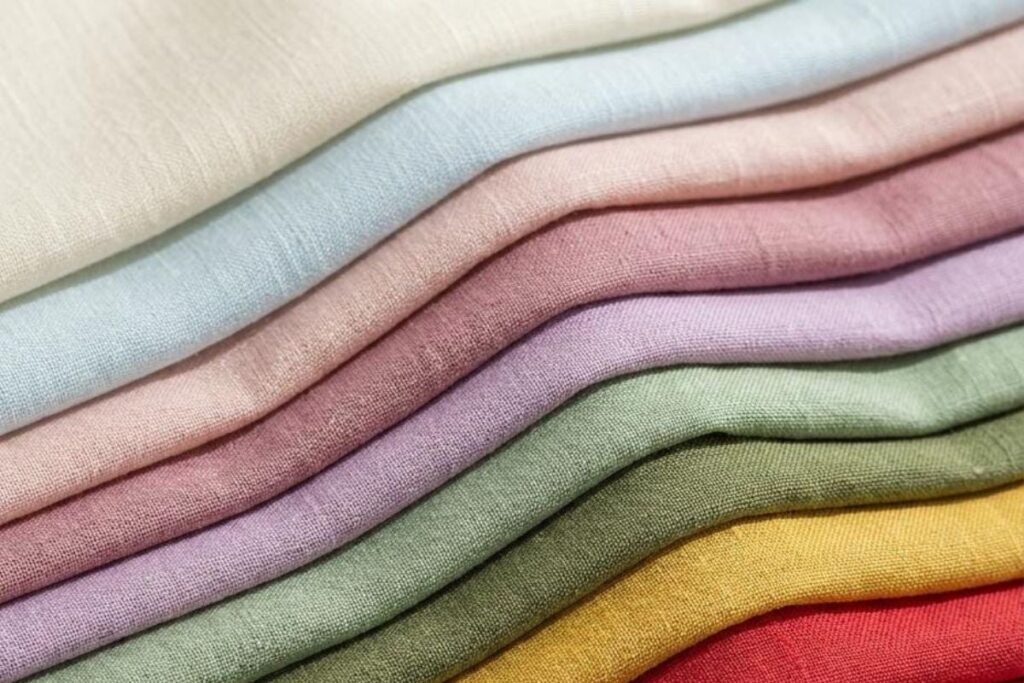
Importance of Lining Cloth
- Gives a neat and clean finish inside the garment
- Adds strength and increases durability
- Makes the garment more comfortable to wear
- Prevents transparency in light or thin fabrics
- Helps maintain the shape of the garment
- Protects the outer fabric from sweat and body oils
- Makes the garment easy to wear and remove
Colours in Lining Cloth
- Available in many colours to match or contrast with outer fabric
- Common colours include white, black, cream, beige, and skin tone
- Bright colours like red, blue, green, and yellow are also used
- Matching colour lining gives a smooth and simple look
- Contrast colour lining adds a stylish and unique touch
- Skin-tone lining is often used for sheer or net fabrics
- Dark colour lining is used under light fabrics to avoid transparency
- Printed lining cloth is also available for modern designs
Size and Thickness Variations
- Lining cloth comes in different widths like 36 inches, 44 inches, and 56 inches
- Thickness varies from thin, medium, to thick depending on the need
- Thin lining is used for lightweight fabrics like chiffon and georgette
- Medium thickness lining is suitable for cotton and silk garments
- Thick lining is used for coats, jackets, and heavy dresses
- Stretchable lining is available for body-fitting garments
- Pre-cut lining pieces are also available for blouses and dresses
Choosing the Right Lining Cloth
- Select based on outer fabric type
- Choose breathable lining for hot weather
- Match the weight of lining with the main fabric
- Pick soft lining for comfort, especially for daily wear
- Choose strong lining for heavy garments
- Consider colour matching or contrast design
- Check shrinkage before stitching
- Ensure the lining is not too thick or too thin for the garment
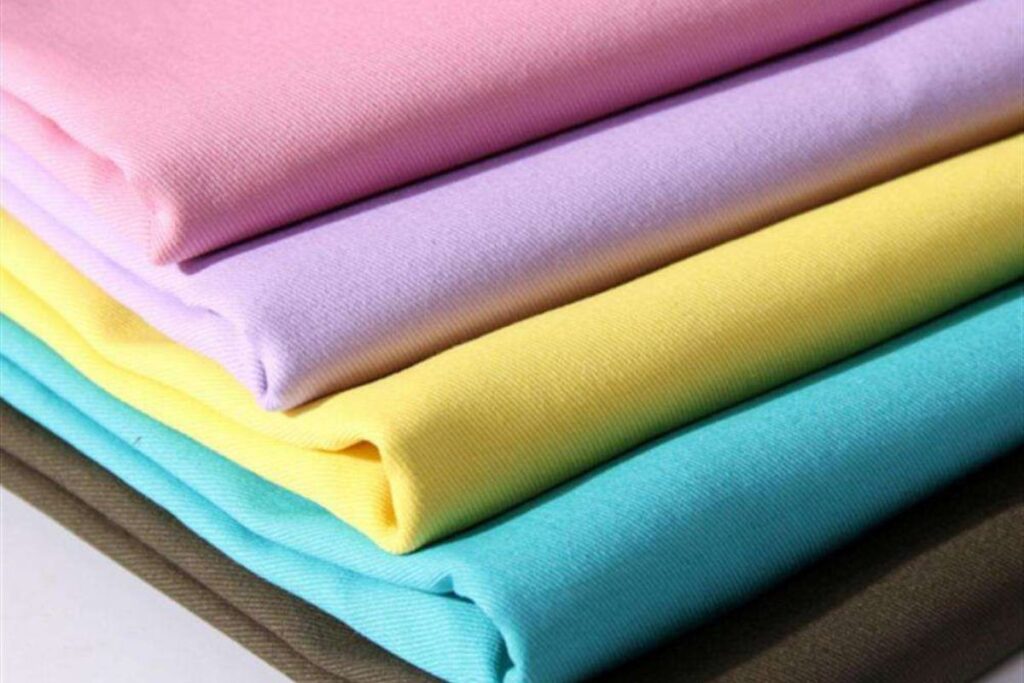
Types of Lining Cloth
- Cotton lining: Soft, breathable, and comfortable for daily wear
- Silk lining: Smooth and rich, used for bridal and festive wear
- Polyester lining: Strong, wrinkle-resistant, and easy to maintain
- Satin lining: Shiny and smooth, used in party wear
- Net lining: Light and airy, used for layered designs
- Stretch lining: Flexible and suitable for tight-fitting garments
- Blended lining: Mix of cotton and polyester for better durability
Usage of Lining Cloth
- Used in blouses to give shape and comfort
- In kurtis and dresses to avoid transparency
- In lehengas to add volume and support
- In jackets and coats for structure and smooth wearing
- In skirts to prevent sticking to the body
- In gowns for a neat fall and finish
- In children’s wear for softness and comfort
- In uniforms for durability and proper fitting
Advantages of Using Lining Cloth
- Improves garment life
- Enhances comfort while wearing
- Gives a professional finish
- Helps maintain garment shape
- Reduces wear and tear of outer fabric
- Makes garments look more expensive and polished
- Prevents itching or irritation from rough fabrics
Disadvantages of Lining Cloth
- Adds extra cost to the garment
- Increases stitching time
- Can feel warm in hot weather if thick lining is used
- Needs proper selection to avoid discomfort
- Poor quality lining can spoil the garment look
Step-by-Step Process of Using Lining Cloth
Step 1: Select the Lining Fabric
Choose the lining based on the outer fabric and garment type
Ensure the colour and texture are suitable
Step 2: Pre-Wash the Fabric
Wash the lining cloth before cutting
This helps avoid shrinkage after stitching
Step 3: Iron the Fabric
Iron the lining cloth to remove wrinkles
Smooth fabric gives accurate cutting
Step 4: Take Measurements
Measure the garment properly
Use the same measurements for lining
Step 5: Cutting the Lining
Cut the lining cloth using the same pattern as the outer fabric
Leave extra margin for stitching
Step 6: Attach the Lining
Place the lining inside the garment
Stitch along the edges carefully
Step 7: Finishing the Edges
Fold and stitch the edges neatly
Make sure no raw edges are visible
Step 8: Check Fitting
Try the garment to check comfort and fit
Adjust if needed
Step 9: Final Ironing
Press the garment properly
Gives a clean and finished look
Lining Cloth in Fashion Trends
- Contrast lining is becoming popular in modern designs
- Printed lining is used in jackets and coats
- Lightweight lining is preferred for summer fashion
- Designers use lining to enhance garment structure
- Invisible lining is used for a clean outer look
- Layered lining styles are used in gowns and lehengas
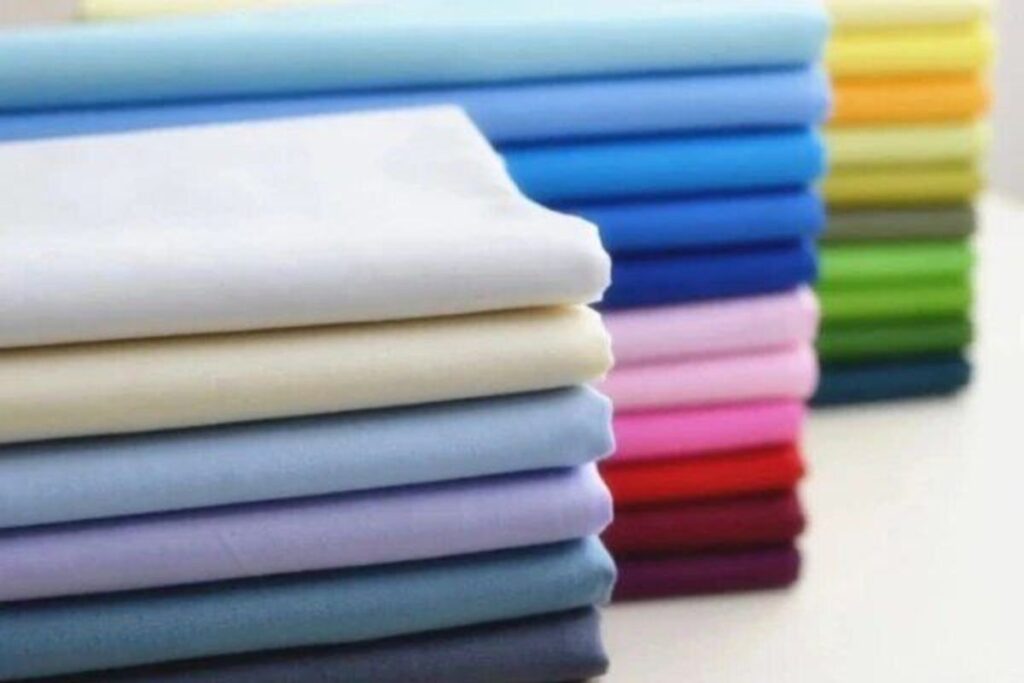
Care and Maintenance of Lined Garments
- Wash according to fabric type
- Avoid harsh detergents
- Dry in shade to maintain colour
- Iron at suitable temperature
- Store properly to avoid wrinkles
- Do not twist or squeeze heavily
- Dry clean for heavy or delicate garments
Common Mistakes to Avoid
- Choosing wrong colour lining
- Using thick lining for thin fabrics
- Not pre-washing the lining cloth
- Cutting without proper measurement
- Poor stitching and finishing
- Ignoring comfort while selecting lining
- Using low-quality fabric
Tips for Better Lining Work
- Always use good quality lining cloth
- Avoid very thick lining for lightweight dresses
- Use matching thread colour for stitching
- Do not stretch the lining while stitching
- Keep lining slightly loose for comfort
- Use breathable fabric for summer wear
- Double-check measurements before cutting
- Use proper tools for neat finishing